English
 Chinese
Scan QRCode

It is often said that Chinese automotive brands have achieved a "bend-overtake" on the new energy vehicle track. However, after this "overtaking," players are not met with calm and quiet, but with even more intense competition and fiercer rivalry. Reflecting back, since 2016 when new energy brands sprouted like mushrooms after rain, in just a few years, major segments of the market have seen fierce battles unfold—spanning from entry-level models to mid-to-high-end segments, from sedans to SUVs. Every track is crowded with competitors, leading to escalating price wars, technological battles, and feature wars, pushing the automotive market competition to new heights. As a participant in the automotive industry, especially one who has witnessed this transformation firsthand, we cannot help but ponder the endgame of this competition—where exactly is the focus of new energy vehicle rivalry? Take the recent battle for market share in a specific segment as an example: the explosive growth of large six-seat SUVs in 2025, which not only surpassed one million sales but also captured significant shares from other segments. With the rise of large six-seat SUVs, a new question has begun spreading across the industry: Could the endgame of new energy vehicle competition be MPVs?
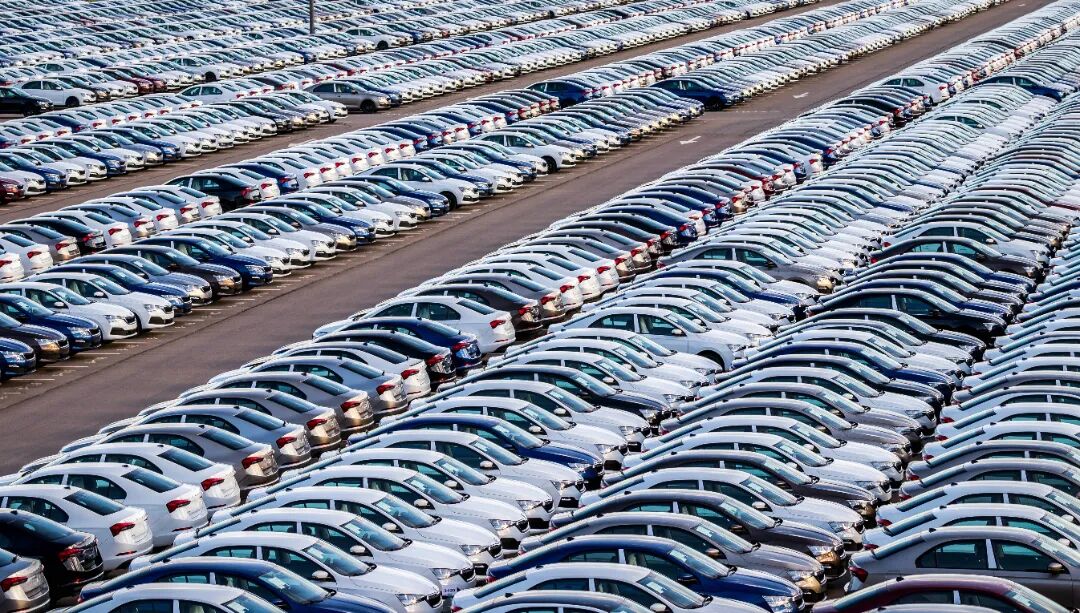
Looking back at the development of the new energy vehicle industry, its competitive path is both brutal and clear. Almost every细分市场 has undergone a cycle from pioneering a blue ocean to attracting numerous players, followed by fierce battles in the red ocean. From the initial A00-class mini electric vehicles to A0-class compact models, then A and B-class cars, and the aforementioned 2025-bestselling six-seater SUVs... Each segment follows a highly similar competitive logic: early entrants seize market advantages, followed by leading automakers joining the fray, with price reductions, configuration upgrades, and technological iterations ultimately transforming the blue ocean into a red one, forcing smaller players to exit. Then, a new细分市场 emerges as the next phase of the battle, and the cycle repeats. As the "giants" of the passenger vehicle sector, MPVs represent the "end point" in terms of size, leading many to believe that the ultimate showdown in new energy vehicle competition will be the dazzling array of MPVs dominating the future market. But will it really be like that?
01 Battle covering major segmented markets
If we look at the size of car models, the competition for new energy vehicles began with the entry-level A00 level micro electric vehicle, which was also the earliest track for Chinese brands to break through. In the early years, Hongguang MINIEV was the first to enter the market, opening up the blue ocean market of micro electric vehicles with affordable prices and flexible body. With its positioning as a "commuting tool", it quickly became popular and consistently ranked first in sales of micro cars. After seeing the market dividend, car companies such as Changan, Chery, and Geely stepped down and launched multiple micro electric vehicles. For a time, players in the A00 level market gathered, and the original blue ocean quickly turned into a red ocean. Some car models fell to the price range of 30000 yuan, and profit margins were compressed to the extreme. Small and medium-sized car companies were gradually eliminated, and market concentration continued to increase.
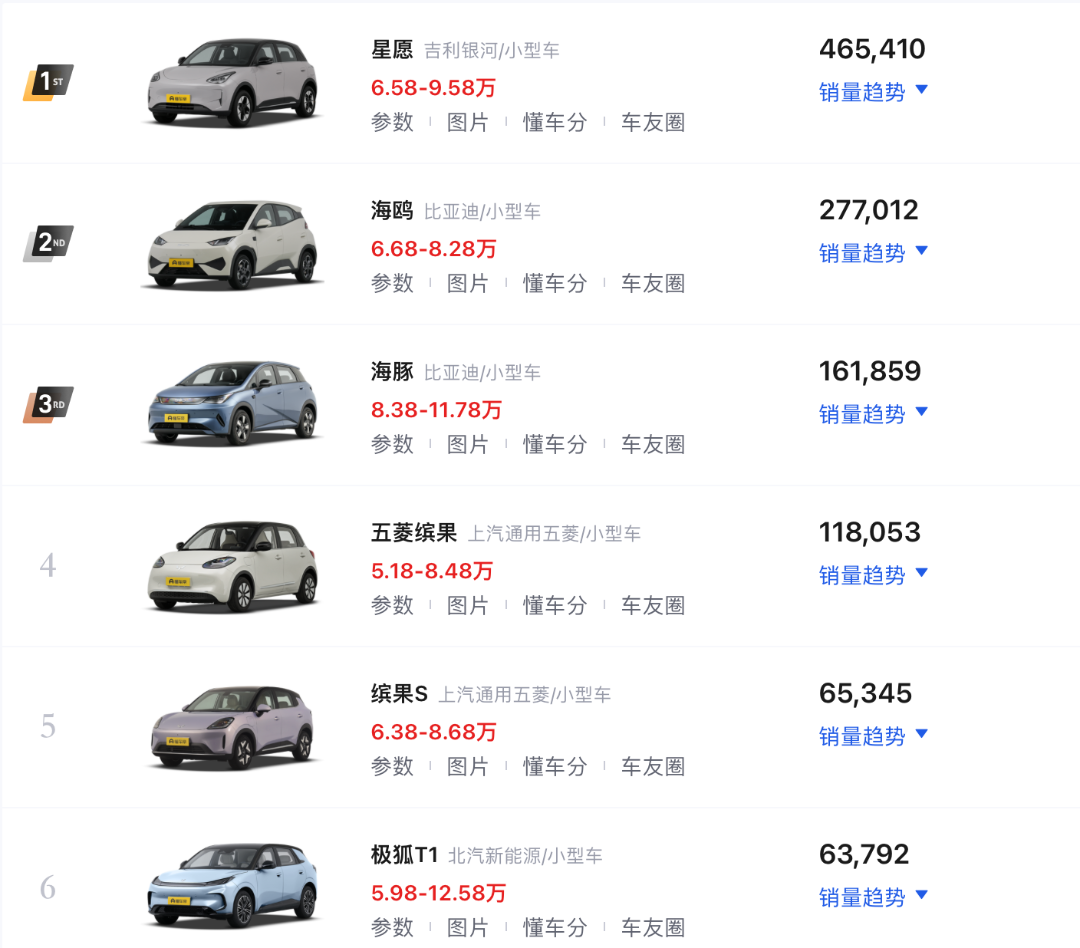
The battle in the A00 level market has not yet ended, and the competition in the A0 level small electric vehicle market has already begun. BYD took the lead in launching two popular models, Dolphin and Seagull. Among them, Seagull's sales exceeded 450000 units in 2024, a year-on-year increase of 89.6%, winning the annual sales champion of small cars; The Dolphin has achieved a cumulative sales volume of over 1 million units in its four years on the market, becoming the fastest A0 class sedan to break through one million units in China. By 2025, its sales will reach 160500 units, a slight increase of 0.01% year-on-year. Following closely behind, Geely Xingyuan and Wuling Bingguo entered the market one after another, forming a tripartite competitive landscape. In 2025, Geely Xingyuan will lead the pure electric vehicle list with a sales volume of 459500 units, further intensifying the internal competition in the A0 level market. The model configuration will continue to upgrade, transforming from basic commuting to boutique and intelligent, completely replacing the market position of traditional fuel powered small cars. If A00/A0 level is the key to the new energy market, then A-class sedans are the main battlefield that determines the life and death of car companies. As is well known, there has always been a saying in the industry that 'whoever wins the A-class sedan market wins the world'. This niche market has always had the widest audience and the strongest demand, and it was also the advantageous area for joint venture cars. But with the advancement of new energy transformation, models such as BYD Qin, Xiaopeng M03, AION S, and Haifeng 06 have made efforts to gradually squeeze the market space of joint venture cars with lower operating costs, richer configurations, and smarter experiences.
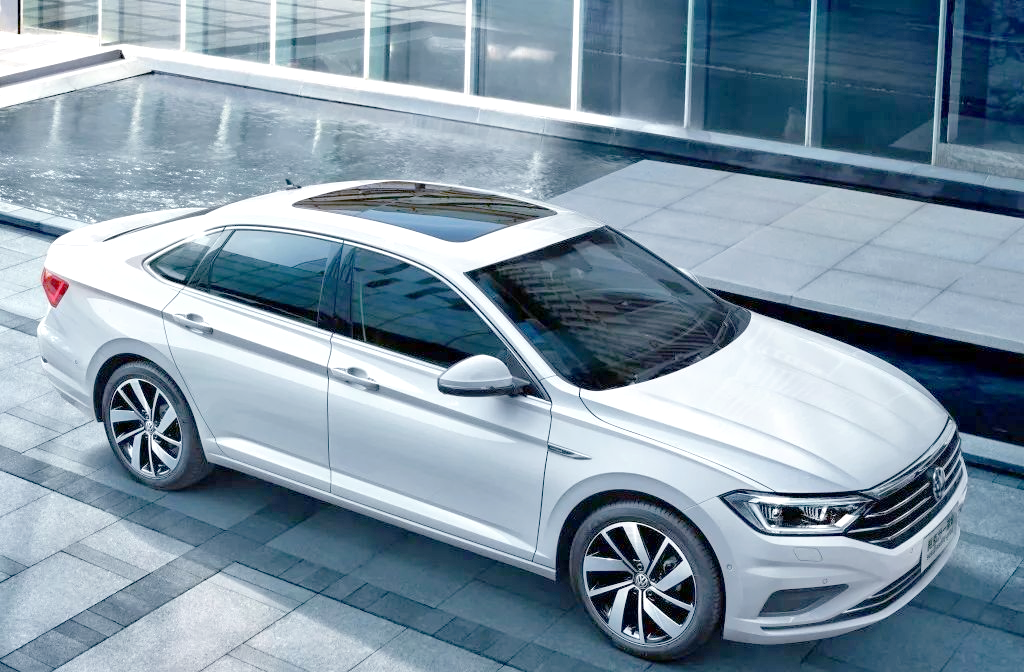
Nowadays, the market share of A-class new energy sedans continues to climb, and Chinese brands have completely taken the lead in joint venture cars, forming a competitive landscape dominated by Chinese brands. The price war, technology war, and service war have been comprehensively upgraded, and the iteration of each model is accompanied by the improvement of configuration and price optimization, with the degree of internalization being the highest in the industry. When the competition in the A-class market becomes fierce, the mid to large size sedan and large sedan markets become the battleground for car companies to compete in the high-end market. Models such as BYD Han EV, Xiaomi SU7, Galaxy Xingyao 8 PHEV, and Xiaopeng P7+have successively appeared, forming a encirclement of Tesla Model 3. According to data from 2025, Xiaomi SU7 topped the list of pure electric sedans with a sales volume of 258200 units, surpassing Tesla Model 3 and highlighting the competitiveness of Chinese brands in the high-end sedan market. While breaking Tesla's monopoly, Chinese new energy vehicles have also successfully transformed from cost-effectiveness to high quality. Entering 2025, large six seater SUVs will become a new trend in the new energy market and an indispensable option on the car purchase list for household users. From household models priced at 100000 yuan to high-end models priced at 500000 yuan, the price range is fully covered, with popular models such as Geely Galaxy M9, NIO ES8, and Tengshi N9 emerging one after another. Among them, NIO ES8's sales in 2025 reached 46700 units, a year-on-year increase of 408.6%, topping the list of pure electric models priced over 300000 yuan.
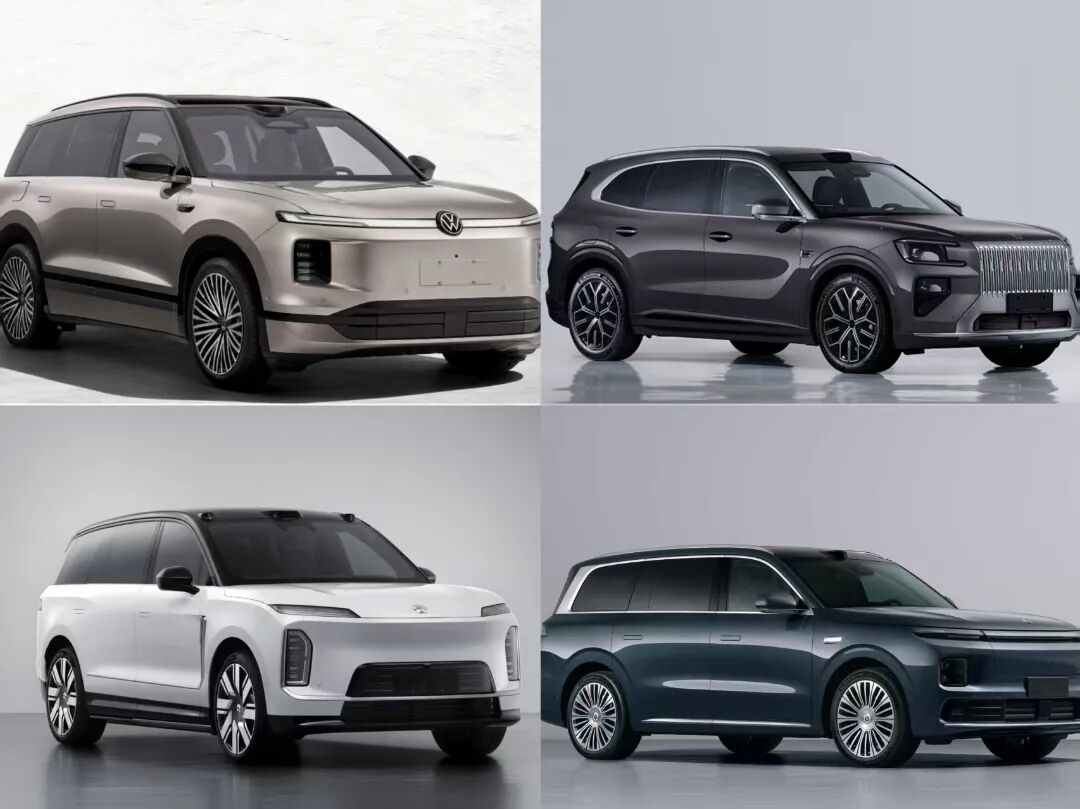
The large six seater SUV, with its flexible spatial layout and comfortable riding experience, balances family travel and high-end needs, and once seized some market share of MPVs, becoming one of the preferred models for family users. However, even so, as a market with larger dimensions and more extreme positioning, MPVs still have irreplaceable advantages. With the further development of the market, the competitive potential of MPVs is gradually being released, which also provides more practical basis for the speculation that "the end of new energy vehicles is MPVs" - after all, when all markets tend to be saturated, MPVs may be the ultimate battlefield of competition.
02 The End of Competition for New Energy Vehicles
So the question is, will the end of the competition for new energy vehicles really be MPVs? This speculation is not groundless. The current MPV market has long bid farewell to the era of utility vehicles and entered a new cycle of value competition centered on technology, brand, and service. Its level of competition is no less intense than that of sedans and SUVs. From a youthful and sporty exterior design that breaks the traditional MPV's sense of business, to a luxurious and refined interior, aviation seats, panoramic sunroof, and rear entertainment screens have become standard features for mid to high end MPVs; From the popularization of sliding doors to the comprehensive upgrade of intelligence, voice control, autonomous driving assistance and other functions are gradually being implemented. MPVs are breaking away from the label of "commercial exclusive" and transforming towards home and diversified.
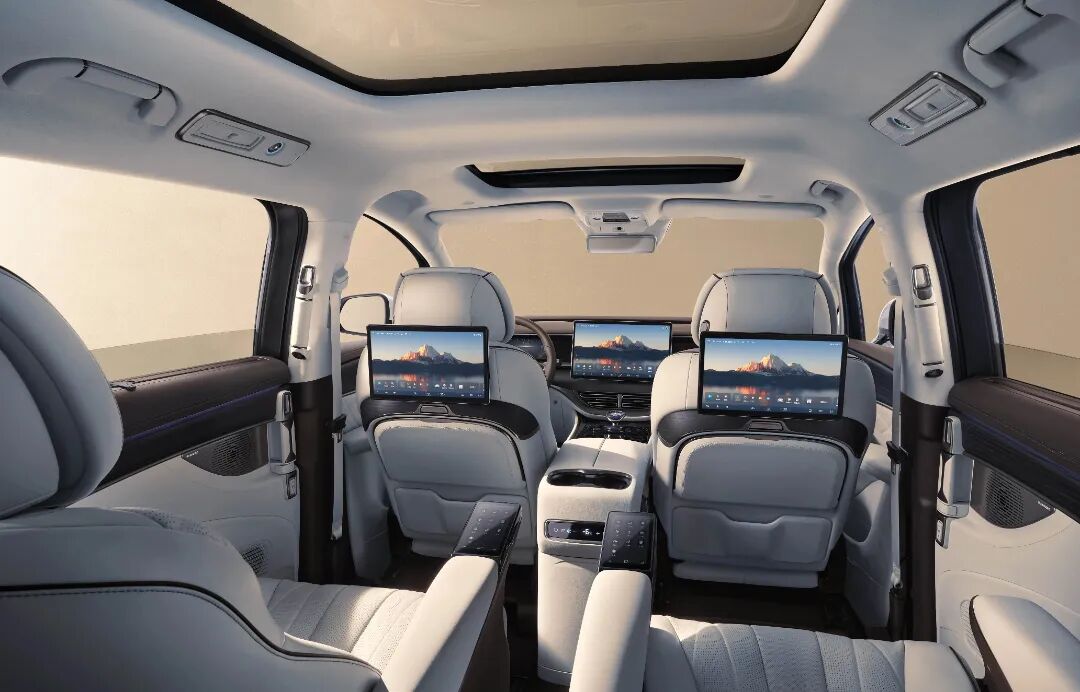
More importantly, the changes in user structure are injecting new vitality into MPVs. In the past, MPV users were mainly business people, but now young families have become the core consumer group - many MPV models' user profiles show that the proportion of post-90s users is increasing, and the proportion of individual user deliveries is also continuing to rise. These young users value both space and comfort, as well as pursuing intelligence and personalization, and the product features of MPVs perfectly meet this demand. Meanwhile, technological breakthroughs have made MPVs the key drivers of the ultimate race track. In December 2025, the Ministry of Industry and Information Technology officially issued the first batch of L3 level autonomous driving vehicle licenses in China, indicating that there will be a wave of L3 model mass production in 2026. Many car companies have planned to launch flagship MPVs equipped with L3 level autonomous driving hardware to further strengthen their product advantages. In addition, MPVs have inherent spatial advantages, with ride comfort far exceeding that of sedans and SUVs. Once L3 level autonomous driving is fully implemented, MPVs will further unleash the potential of mobile space. More noteworthy is that in 2026, multiple new MPV models have been unveiled intensively, covering various ranges from 100000 yuan to 500000 yuan. Independent, joint venture, and new forces have fully entered the market, and a comprehensive game has already begun. As the internal competition continues to deepen, the supply of MPV market will become more diversified and high-end, and the penetration of new energy technology has also solved the pain points of high fuel consumption and low intelligence of traditional fuel MPVs, further amplifying the advantages of MPVs.
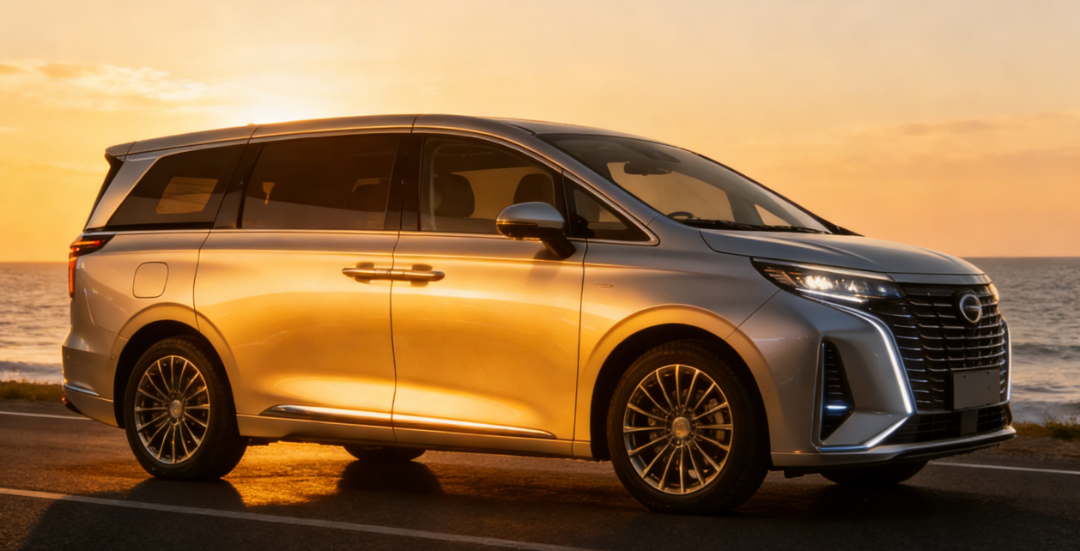
From A00 level micro cars to MPVs, the internal competition of China's new energy vehicles is essentially an iterative battle to meet the higher demands of users. Nowadays, as the various segmented markets of sedans and SUVs become saturated and competition enters a bottleneck period, MPVs with larger size and greater potential than these segmented markets are beginning to enter the industry's vision. Among them, some speculate that with the continuous evolution of MPV models, coupled with the landing of technology and the upgrading of consumer demand, this once commercial oriented niche market may become the ultimate battlefield for competition in new energy vehicles and the next strategic high ground for all car companies to compete for. Currently, the competition from small to large sizes seems to be moving towards MPVs. Perhaps it won't be too long before we see that MPVs will become the endgame of the competition within new energy vehicles. Even if it is not the final outcome, it will become an important battlefield for a new round of competition.
AMS2024 Exhibition Guide | Comprehensive Exhibition Guide, Don't Miss the Exciting Events Online and Offline
Notice on Holding the Rui'an Promotion Conference for the 2025 China (Rui'an) International Automobile and Motorcycle Parts Exhibition
On September 5th, we invite you to join us at the Wenzhou Auto Parts Exhibition on a journey to trace the origin of the Auto Parts City, as per the invitation from the purchaser!
Hot Booking | AAPEX 2024- Professional Exhibition Channel for Entering the North American Auto Parts Market
The wind is just right, Qianchuan Hui! Looking forward to working with you at the 2024 Wenzhou Auto Parts Exhibition and composing a new chapter!
Live up to Shaohua | Wenzhou Auto Parts Exhibition, these wonderful moments are worth remembering!
Free support line!
Email Support!
Working Days/Hours!



Copyright © 2018, PKT Auto Parts All Rights Reserved
浙ICP备18033565号-1
 浙公网安备33038102332475号