In 2026, the automotive industry may face even fiercer competition, with life-and-death battles likely spreading from pricing to the entire industrial chain. Leading automakers, standing at the pinnacle, face an increasingly harsh environment, as hidden concerns unleash a relentless "cold wind." All of this is tied to taxation. From dealerships in Chongqing, we learned that regional managers of several automakers in the main urban area received urgent notifications from headquarters after the Lunar New Year, accelerating the implementation of the originally planned interest-free car purchase policy from a later date to a full rollout in the near future. These trends mirror nationwide developments. A persistently declining tax bill, coupled with automakers' frantic rush to launch promotions, reveals the first layer of truth about China's auto market in 2026: the core policy levers that once drove market growth are rapidly losing effectiveness. The "14th Five-Year Plan" released in March no longer classifies China's new energy vehicle industry as a strategic emerging sector. As the industry matures, it completely bids farewell to its policy-dependent youth phase, entering a mature period of存量竞争 (存量 competition). Thus, in 2026, all automakers will confront the same challenge: how to stand firm on their own feet amid high targets, high inventory, and high investment when the crutch of policy support is removed. Vehicle purchase tax decline slows industry growth Starting January 1, 2026, the long-standing policy of "exempting" new energy vehicle purchase taxes officially ended, replaced by a "50% reduction" with an upper limit of 15,000 yuan. At the same time, the pure electric range threshold for plug-in hybrid models eligible for tax benefits was raised from 43 kilometers to 100 kilometers.
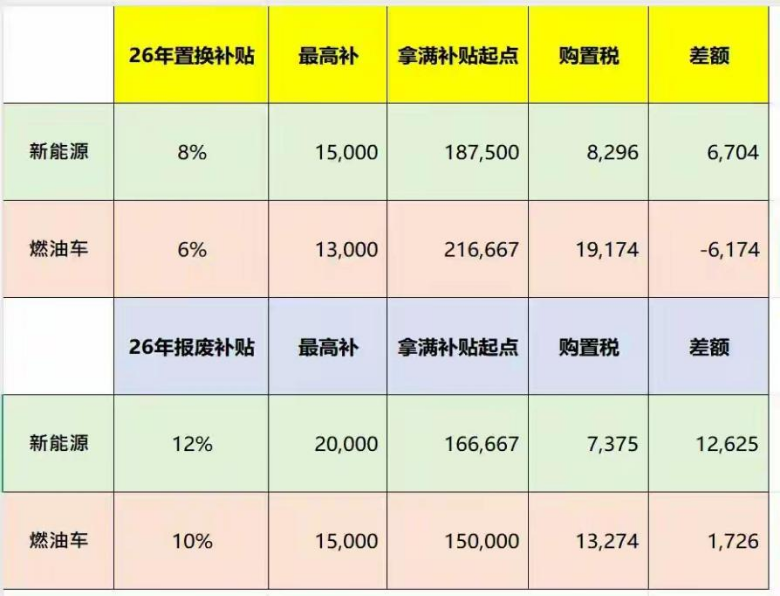
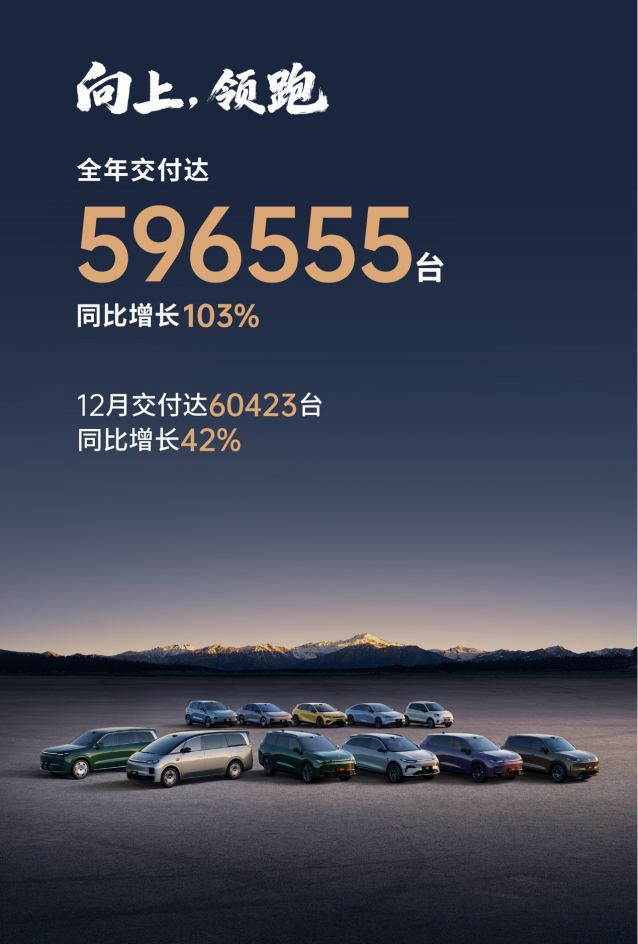
In layman's terms, purchasing a car in January 2026—even a 100,000-yuan vehicle—would require paying several thousand yuan in purchase tax, while a 300,000-yuan car exempt from purchase tax in 2025 would now incur tens of thousands in 2026. Looking back, the vehicle purchase tax has long served as a barometer and regulator for China's auto market, with its fluctuations deeply tied to the industry's growth rhythm. For instance, when the state postponed the purchase tax three years ago, Li Xiang confidently declared in a post, "There’s no excuse for not selling 1.6 million cars by 2025." Though Li Auto ultimately fell far short of this target, it still reflected the profound impact of purchase tax on the market. Delving deeper, changes in the purchase tax signal shifts in the growth logic of the new energy vehicle industry. For automakers, the decline in purchase tax conveys an unmistakable message: the era of policy-driven growth has come to an end. In the past, many automakers relied on the policy红利 of new energy purchase tax exemptions, allowing them to capture market share even with mediocre product quality. But now, as policy incentives continue to fade, consumers' decision-making logic has shifted from focusing on subsidies to prioritizing product quality, brand strength, and service capabilities. Automakers lacking core competitiveness will be swiftly eliminated in this reshuffle. With policy红利 no longer bridging the industry's growth gap, automakers' first instinct is to sharpen competition against rivals. After all, survival is the top priority. Last year, the industry was mired in various forms of unhealthy competition, drawing public criticism and internal reforms. Overall, the current development ecosystem has indeed improved compared to previous years. For example, verbal spats have nearly disappeared. Yet, each company still harbors its own agendas—namely, "all automakers understand that in a saturated market, selling one more car means a competitor sells one less. To avoid obsolescence, securing sufficient market share is imperative." Under this goal-oriented mindset, automakers remain locked in a race to outpace rivals. This manifests in two ways: 1. **Unyielding Targets**: No company is willing to compromise on objectives, pushing forward at full speed. 2. **Price Warfare**: The tactics have simply evolved. Specifically, in terms of targets, the 2026 auto market has been shrouded in the smoke of sales-driven competition from the very first day. Facing this new landscape, multiple automakers have set ambitious sales goals. For example, Geely Auto aims for 3.45 million units in 2026, Leapmotor targets 1 million units, and Xiaomi Auto has set a delivery goal of 550,000 units—up 34% year-on-year.
The majority understanding from the outside world is that car companies set high goals to stabilize market expectations. Despite the decline in sales of many car companies in January and February, high targets can convey "confidence in future growth" and avoid market panic caused by short-term fluctuations. However, even so, the pressure that should come is still invisibly constructed: the high target and the initial industry inventory at the beginning of the year have formed a clear structural contradiction. According to the latest data from the China Passenger Car Association, as of the end of January 2026, the national passenger car industry had a stock of 3.57 million vehicles, a decrease of 80000 vehicles from the previous month and an increase of 580000 vehicles from January 2025, forming a characteristic of high inventory operation and an increase of 60000 vehicles from December 2025. ”In addition to high inventory, intensive high investment is also a sustained action by car companies. Multiple car companies are investing billions to tens of billions in the future, attempting to create phenomenon level explosive SKU products from multiple aspects such as intelligent driving, chassis, charging, etc., in the internal competition of hundreds of new car iterations every month.
Under high goals, high inventory, and high investment, terminal digestion has become the core path. So, against the backdrop of reduced purchase tax, car companies have to aggressively increase their promotional efforts on the market side. This phenomenon began as early as the end of 2025. It is reported that more than 20 car companies such as Ideal, NIO, and Xiaomi have launched a "purchase tax guarantee" policy to make up for the tax difference for consumers who locked their orders before the end of last year. On New Year's Day 2026, this wave of subsidies will have a wider coverage and greater intensity. Industry experts point out that as policy drivers weaken, car companies will rely more on product strength, service experience, and cost control capabilities. This subsidy war at the beginning of the year is just the prelude to the intensified competition in the automotive market in 2026. According to external reports, on January 1, 2026, Wuling Motors announced that from now until March 31, purchasing all models of Wuling Hongguang MINIEV, Binguo, and Xingguang will enjoy full purchase tax subsidies, with the manufacturer bearing all costs. Guangqi Toyota and Beijing Off road closely followed suit, introducing similar policies. Subsequently, GAC Toyota announced that all models would participate in the "manufacturer pays purchase tax" activity, while Beijing Off Road would provide full exemption from purchase tax and professional off-road equipment packages for models such as BJ40 and BJ60. Volvo has launched a combination policy of a purchase tax subsidy of 14000 yuan and three free maintenance services over three years for the all-new XC70 model.
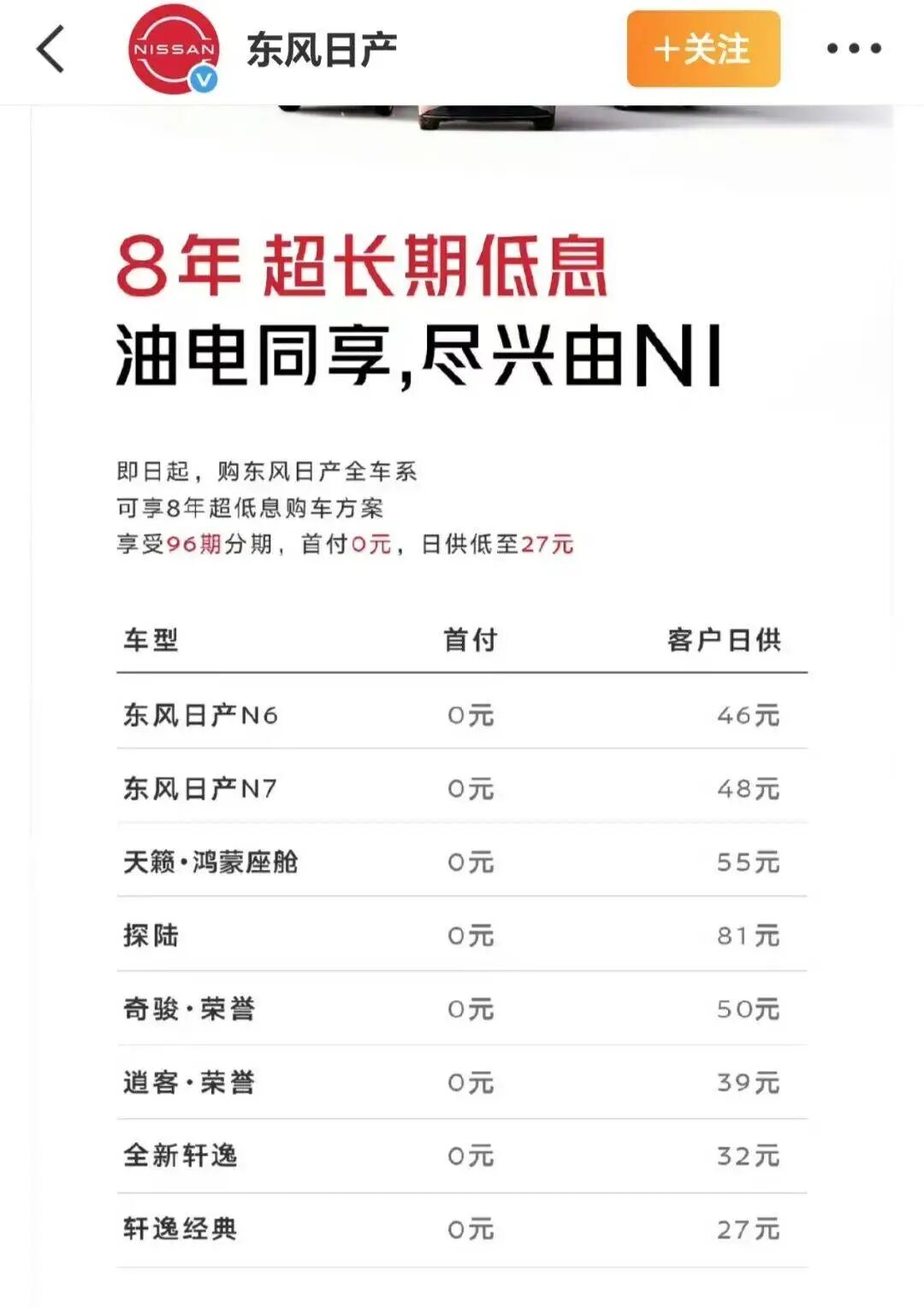
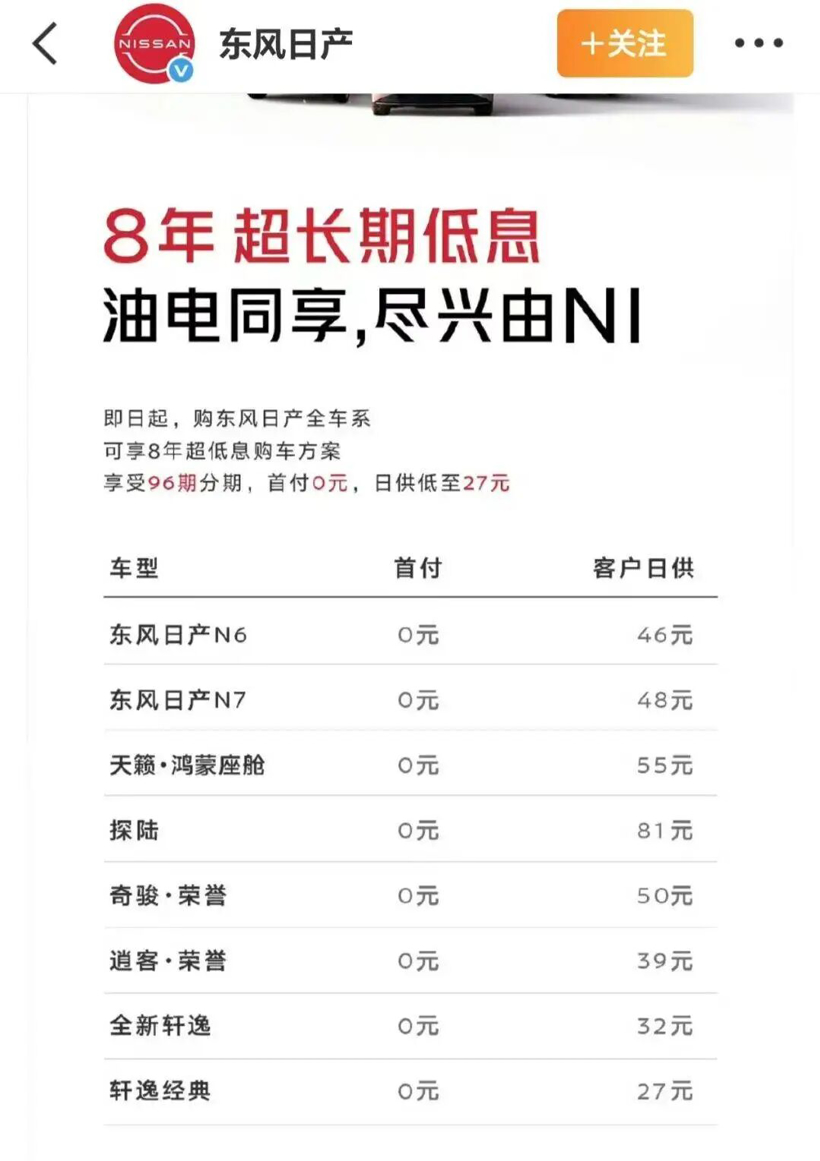
As Tesla, which has launched multiple price offensives before, has never fallen behind. Tesla is the first car company in China to launch a limited time and ultra long term car purchase plan. It is reported that the down payment for Model 3 is 79900 yuan, and the monthly payment can be as low as 1918 yuan; The monthly supply of Model Y can be as low as 2263 yuan, and the daily supply is only 74 yuan, which is equivalent to a disguised price reduction for the model. Tesla's actions were like throwing a bomb onto a calm lake, and domestic car companies immediately followed suit. On February 25th, BYD released a "7-year low interest" policy for Haiyang.com, with daily supply starting at 29 yuan. The day before, Zhiji Automobile launched a financial plan of "7 years, 0 down payment, 3 years, 0 interest", with a New Year's cash red envelope of up to 23000 yuan. Earlier, brands such as Chery Fengyun and Jetour launched 7-year low interest ultra long loans, with the latter offering a minimum monthly payment of 1321 yuan. One stone stirred up a thousand waves, and then car companies such as Geely, Xiaomi, Ideal, and Xiaopeng quickly followed suit. Dongfeng Nissan even launched an "8-year ultra long term low interest" plan, with a daily supply amount ranging from 27 yuan to 81 yuan depending on the model, on the basis of zero down payment.
Looking back, behind the crazy internal competition among car companies is the industry elimination race that has already entered a white hot stage. According to data from the China Association of Automobile Manufacturers, the number of domestic passenger car companies with sales records in 2025 has decreased from over 80 in 2020 to 42. There are over 20 companies with annual sales of less than 100000 vehicles, and even fewer top companies with annual sales exceeding 1 million vehicles. The Matthew effect is becoming increasingly evident, with tail end car companies at risk of being eliminated at any time. Even top car companies dare not slack off, constantly adjusting their price systems and exchanging discounts for market share, afraid of falling behind in this competition. But behind the crazy internal competition is a dilemma that all car companies have to face. The price war is a real battle of gold and silver, where every discount and interest free period ultimately ends up in the profits of car companies. According to the third quarter financial report released by the car company in 2025, Tesla's gross profit margin for bicycles is 15.4%, and BYD's gross profit margin for bicycles is over 20%, which is already the top tier in the industry. However, the vast majority of car companies are still facing pressure on their single vehicle gross profit margins, and many new energy car companies are still in a state of sustained losses. On the one hand, we need to lower prices and offer interest free services to grab market share and avoid being eliminated by the market; On the one hand, ensuring the gross profit of bicycles and maintaining the normal operation of enterprise research and development has become a life and death proposition that all car companies need to balance in 2026.
After large-scale expansion, it will directly lead to an increase in market production capacity and supply, and pose a fatal soul question to everyone: will promotional discounts lead to price wars in the industry in 2026? You should know that as early as 2024, the average price of passenger cars in China was 184000 yuan, and in the first 11 months of 2025, the average price of passenger cars dropped to 178000 yuan. Considering the situation of high targets, high inventory, and high investment ahead, the decrease in bicycle costs means that some car companies are indeed still trading price for quantity. The price war is like a tug of war, even if you win, it will inevitably hurt your muscles and bones. The market share gained through price is ultimately temporary, and in order to survive in this protracted battle, car companies need to find growth drivers that are more core than price.
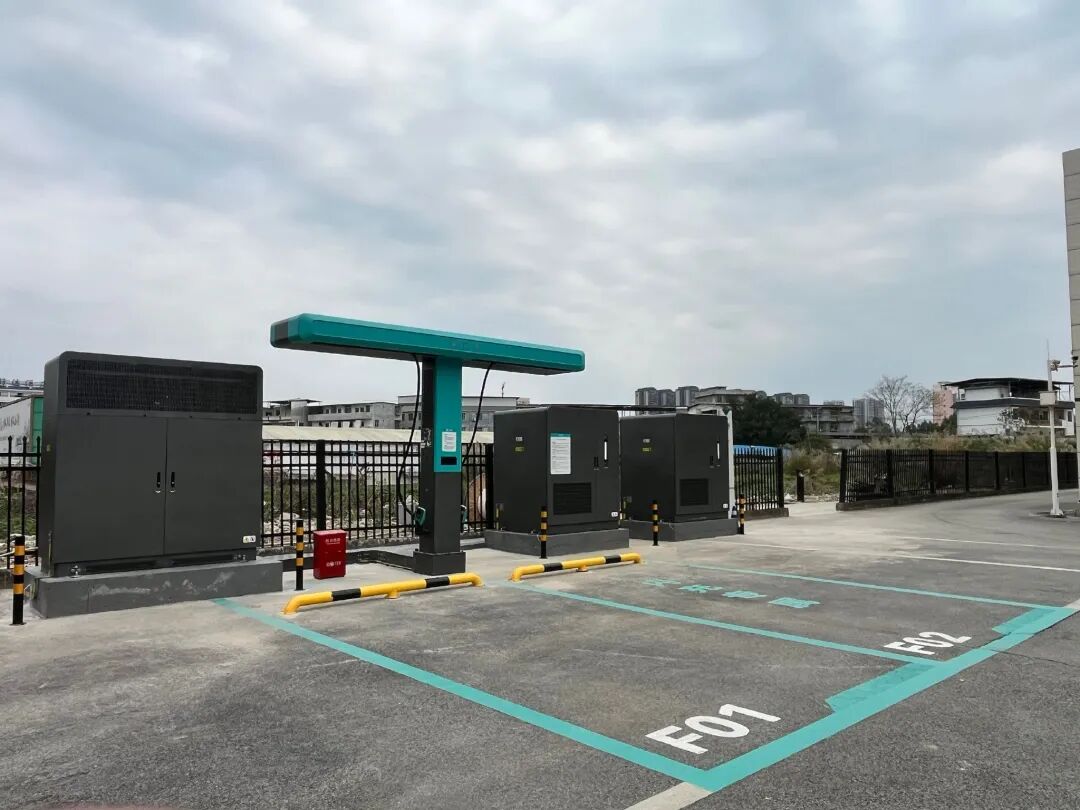
After the price war raised the cost of competition, fast charging stations have become a new direction of competition. Whether it is purchase tax reduction or interest exemption, they all revolve around price and can only solve short-term sales problems, but cannot solve long-term growth problems. In the mature stage of the industry, the ability to expand, including both supply capacity and product expansion, truly determines how far car companies can go. Especially the expansion of supply outlets has attracted attention. Prior to this, most car companies only focused on incremental store network construction. However, with the rapid development of industrial technology and the continuous growth of store terminals, the construction of supply systems has become a new phenomenon. Taking BYD as an example, BYD has officially launched the large-scale construction of megawatt flash charging stations nationwide. The peak output power of this charging terminal can exceed 1360kW, and it can charge 400 kilometers in 5 minutes, truly achieving "oil and electricity at the same speed" and completely solving the anxiety of energy replenishment. BYD Chairman Wang Chuanfu said that he will make every effort to promote the construction of megawatt flash charging stations, with a planned construction quantity of over 4000.
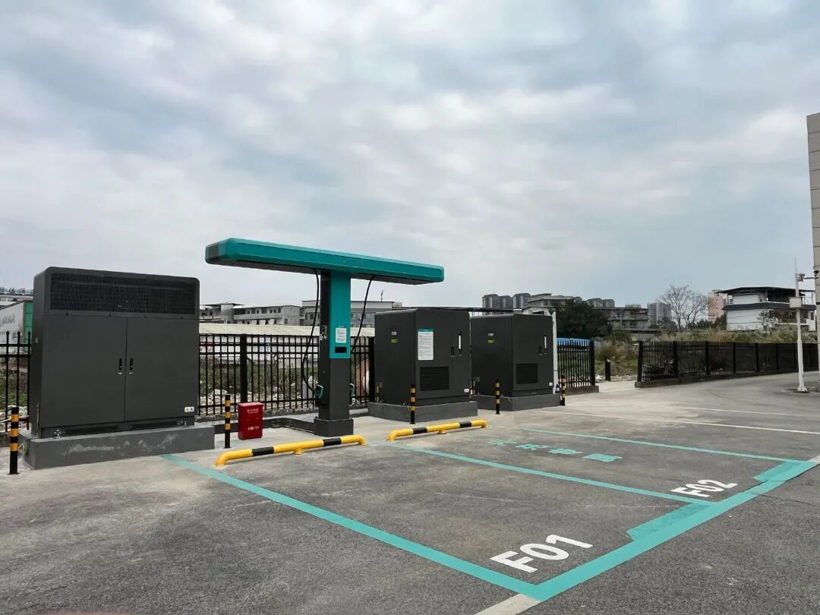
NIO plans to build 1000 new battery swapping stations by 2026 and further expand its "power on scenic routes" to 100. The number of supercharging stations under the Ideal brand has officially exceeded 4000, with over 22000 supercharging stations covering 31 provinces and 289 cities across the country, and possessing the "largest self built supercharging network of car companies". At the same time, the ideal supercharging station has over 4500 5C piles, and more than 500 stations are equipped with all 5C pile types. As for other car companies, they are also increasing investment in the construction of fast charging stations. The expansion of supply outlets outside of stores is essentially an attempt by car companies to catch up with the rapid development of pure electric technology, while optimizing service experience, filling in the gaps of corresponding service modules, and transferring ultimate technology offline to enhance user stickiness. After all, in an era full of competition, car companies need to pay more and more attention to stickiness and user moats. Product expansion is the core moat for car companies. No matter how wide the channels are, ultimately it still depends on the products to speak for themselves. In 2026, domestic car companies have already packed their new product plans. According to statistics from the China Association of Automobile Manufacturers, there will be over 120 new energy vehicles launched in China by 2026, including upgrades to major models, as well as the launch of new brands and categories. In the current era where large screens, intelligent driving, and long range have become standard, and L2 intelligent driving is becoming increasingly homogeneous, fast charging stations have become the beginning of a new round of competition among car companies.
 English
 Chinese