English
 Chinese
Scan QRCode

After the price hikes in the mobile phone industry, this "price-increasing trend" now seems to have blown into the new energy vehicle sector. If you've recently been considering buying a new energy car, you might notice an annoying phenomenon: the price tags of those long-watched models have quietly changed.
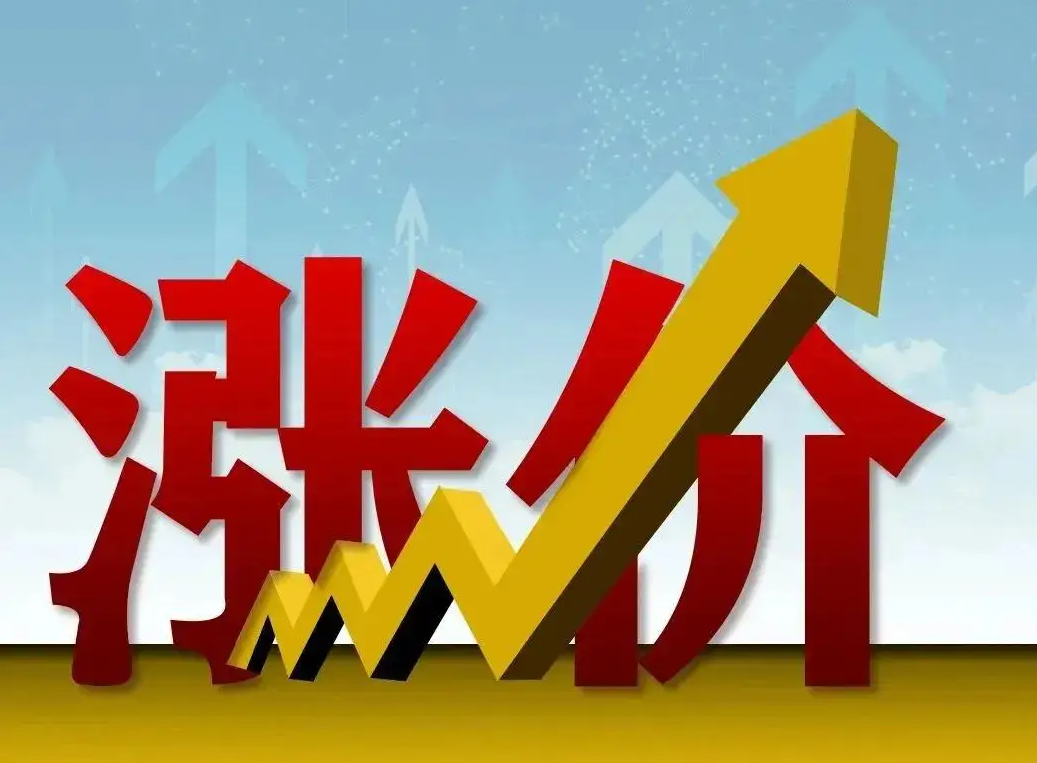
Indeed, since March this year, many domestic new energy vehicle brands have shifted from the "price war" and "big promotions" of the past few years, with successive reports of price hikes. This sudden turn has left many consumers holding cash and waiting to buy, exclaiming, "Has the 'waiting party' missed the 'spring' again this time?"?

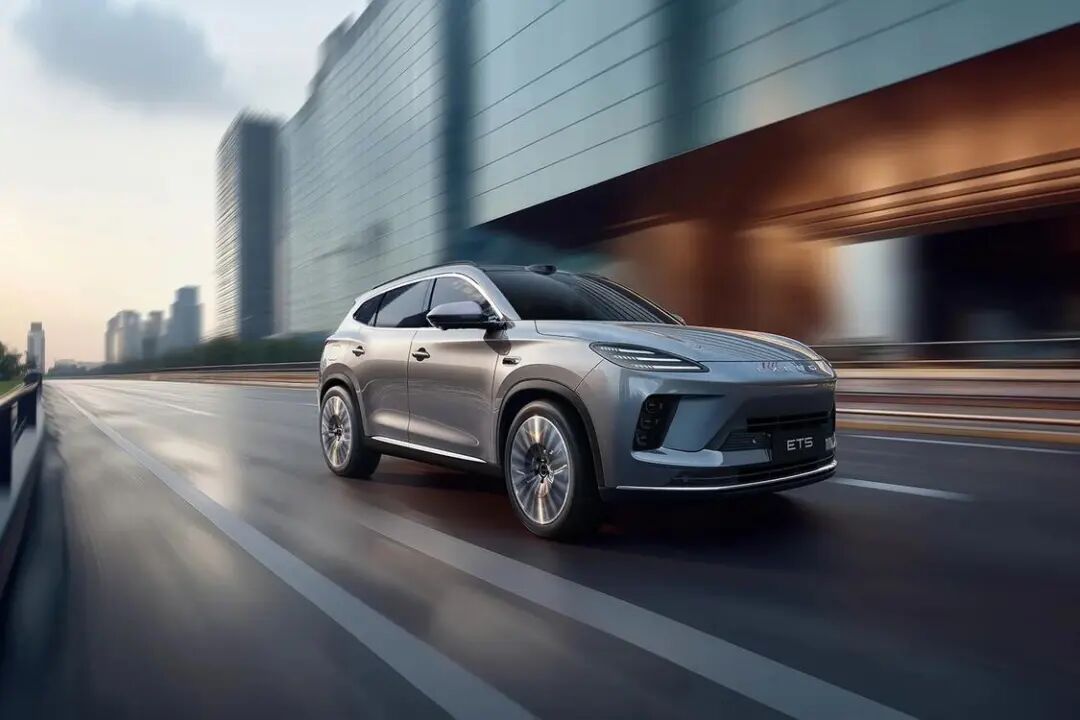
This price increase is not groundless, but has been implemented in reality. For example, the ET5 high-end version of the Xingtu brand has increased its price by 5000 yuan since March 21st. Of course, as a brand under Chery, although the surface price has increased, the hardware has also been upgraded, which still shows sincerity.
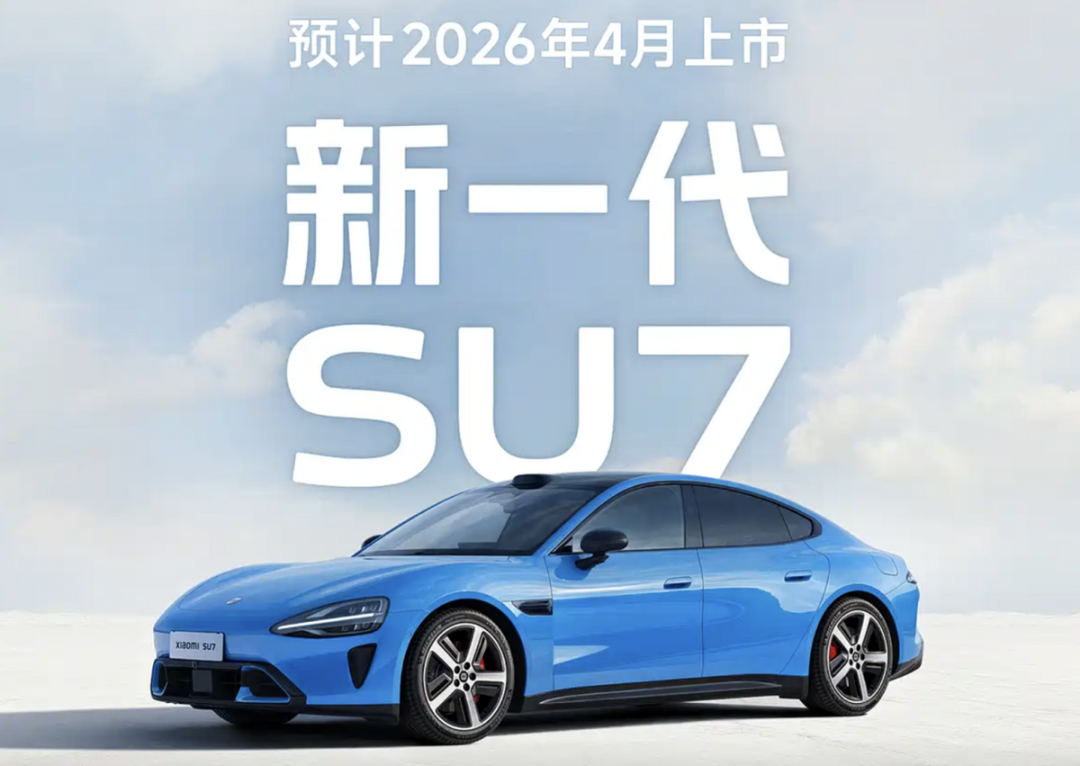
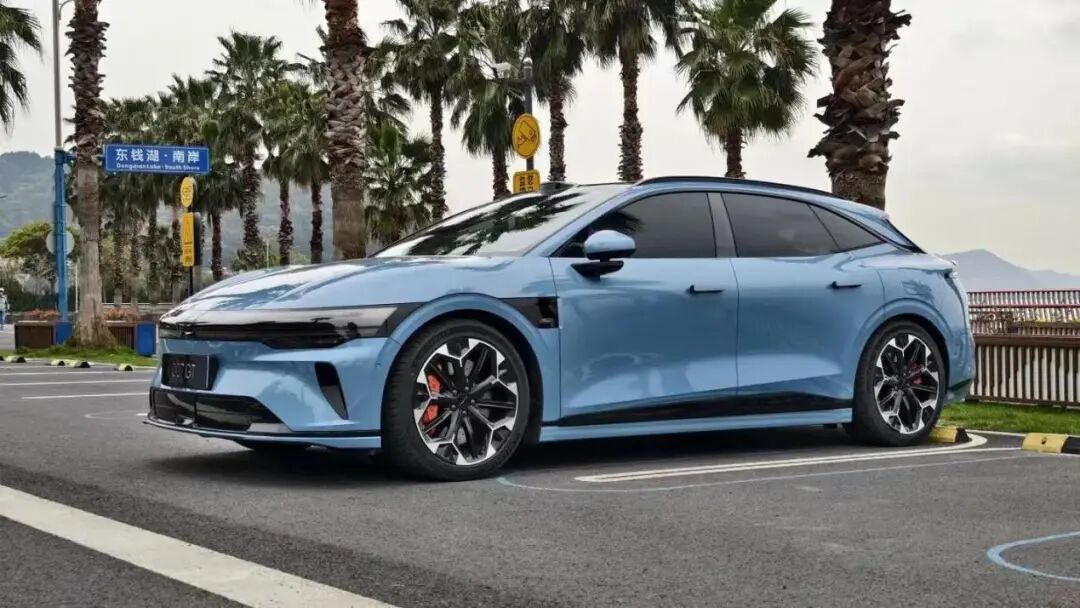
This is not an isolated case. The pre-sale price of Xiaomi's new generation SU7, which has attracted much attention, is also 14000 yuan higher than the previous generation. Lei Jun himself admitted that the new car has improved in safety, driving control, and intelligent experience, but the cost has indeed increased, and price increases have become an inevitable choice. On the other hand, Jike Motors also revealed that due to the increase in procurement costs, the price of the updated 007GT may be raised by nearly 10000 yuan. Of course, the way to increase prices is not just to simply and roughly raise the guidance price. On more popular models, some car companies have resorted to "subtraction": reducing some comfort configurations, adjusting battery life versions, and even directly stopping production of entry-level models with meager profits. This is actually a form of "disguised price increase".

So, what exactly is the reason why car companies have coincidentally pressed the "price increase button"? Ultimately, it is the mountain of cost.
The first and foremost is' lithium '. As the core raw material of power batteries, the price of battery grade lithium carbonate is like riding a roller coaster. The data shows that its price has risen by nearly 130% since July last year. Just this one item, when shared among each vehicle, would result in an additional battery cost of 3000 to 5000 yuan. Another 'invisible pusher' is the chip. Don't think that smartphones are the only ones lacking chips, as cars require more and more complex chips. Recently, due to the explosive growth of the AI industry, a large amount of production capacity has been used to produce high-performance computing chips, squeezing the production capacity of automotive grade storage chips. The result is that the price of automotive grade memory chips has skyrocketed by nearly 300%, and the cost of bicycles in this area has skyrocketed from 700 yuan to 2000 yuan. NIO's Li Bin admitted that the biggest cost pressure for enterprises this year comes from storage chips. Meng Qingpeng's ideal prediction is that the supply satisfaction rate of such chips this year may not even reach half.
In addition to raw materials and chips, policy changes have also played a supportive role. Starting from 2026, the purchase tax incentives for new energy vehicles will be adjusted from "exemption" to "halving", and some local car purchase subsidies are also tightening, further squeezing the profit margins of car companies. Due to the combination of internal and external factors, price increases have become a helpless choice for many car companies to cope with the new situation.

So, this wave of price hikes for new energy vehicles is a "chain reaction" transmitted by the skyrocketing costs of the upstream industry chain. For consumers, the cost of purchasing a car has indeed increased, and it is inevitable that they will feel a little unhappy. But from another perspective, this may also mean that the future new energy vehicle market may shift from simple price competition to a comprehensive competition that relies more on technology, quality, and service. After all, under cost pressure, who can make people feel that their product is "worth the price" more, and who can ultimately win the "foot of the bill" from consumers. So, on the eve of the price increase of new energy, will you place an order first?
AMS2024 Exhibition Guide | Comprehensive Exhibition Guide, Don't Miss the Exciting Events Online and Offline
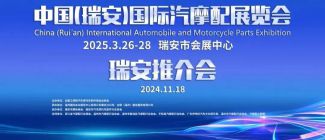
Notice on Holding the Rui'an Promotion Conference for the 2025 China (Rui'an) International Automobile and Motorcycle Parts Exhibition
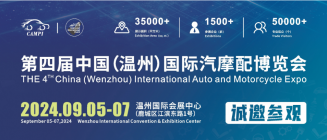
On September 5th, we invite you to join us at the Wenzhou Auto Parts Exhibition on a journey to trace the origin of the Auto Parts City, as per the invitation from the purchaser!
Hot Booking | AAPEX 2024- Professional Exhibition Channel for Entering the North American Auto Parts Market
The wind is just right, Qianchuan Hui! Looking forward to working with you at the 2024 Wenzhou Auto Parts Exhibition and composing a new chapter!
Live up to Shaohua | Wenzhou Auto Parts Exhibition, these wonderful moments are worth remembering!
Free support line!
Email Support!
Working Days/Hours!



Copyright © 2018, PKT Auto Parts All Rights Reserved
浙ICP备18033565号-1
 浙公网安备33038102332475号