English
 Chinese
Scan QRCode

On February 28, 2026, the US and Israeli forces launched airstrikes on Iran, and the subsequent events are well known. Up to now, it has been almost two weeks and there is still no sign of a ceasefire. This conflict may seem like another turmoil in the Middle East, but its impact is rapidly spreading to the global automotive industry. According to relevant information, on the one hand, the car sales situation in Iran is not optimistic, which in turn affects the car sales in the entire Middle East. Another issue is the obstruction of the Strait of Hormuz, which has led to a rise in international oil prices and disruptions in transportation networks. Therefore, global car companies are forced to adjust their production plans and postpone overseas shipments. For example, Toyota has announced a production reduction of 40000 vehicles, several Indian car companies have suspended their export business to the Middle East, and Chinese car companies' exports to the Iranian market may also face risks. The impact of the situation in Iran on the global automotive industry is far more profound than expected by the outside world.
01 Asian car companies suffer direct impact
Undoubtedly, the impact of war on the automotive industry is first reflected in the decline in sales in regional markets. Iran is the largest automobile consumer market in the Middle East region. According to Bernstein data, the overall car sales in the Middle East last year were about 3 million units, with Iran accounting for as much as 38%, or approximately 1.14 million units.
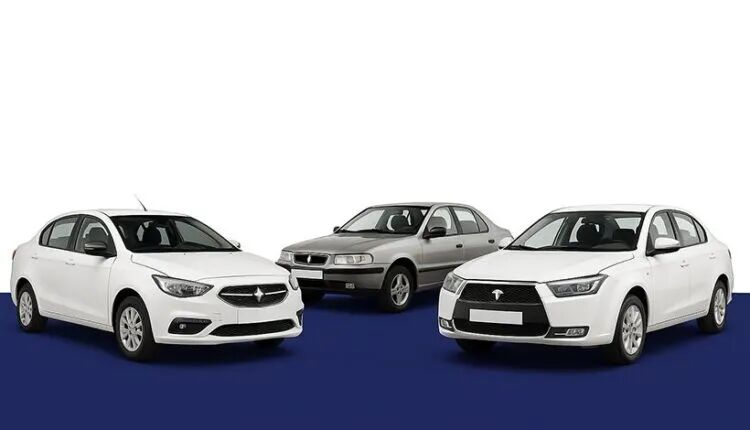
Due to long-term international sanctions, most mainstream car brands in Europe, America, Japan, and South Korea are unable to enter the Iranian market, which is mainly dominated by local manufacturers and Chinese car companies. Hodra and Saipa are the two largest automobile companies in Iran, followed by several Chinese brands. Bernstein's statistics show that in the Middle East market, Toyota holds a 17% share, Hyundai holds 10%, and Chery holds 5%. These three companies together occupy about one-third of the market in the region. Based on the sales base of about 600000 vehicles in the Middle East last year, Toyota's annual sales in the region are estimated to be about 204000 vehicles, Hyundai's about 120000 vehicles, and Chery's about 60000 vehicles. After the outbreak of war, the sales of these vehicles will face severe challenges. The report states that it is not the disappearance of demand, but the combined effect of logistics disruptions and declining consumer confidence. Among them, Chinese brands are under more prominent pressure. The most affected Chinese car companies include Jianghuai, SAIC, Chery, Changan, and Great Wall Motors. Another data shows that in the brand sales ranking, Iran's Hodra is far ahead, with sales exceeding 400000 units. The second ranked Saipa has 310000 vehicles. Peugeot's sales are slightly higher than 175000 units. The sales of MVM (Chery model) reached 46000 units, followed closely by Jianghuai and Zamiyade. Bachmann and Chery ranked third, while KMC and Haima ranked fourth and fifth, entering the top ten. FMC ranks 11th, Lamari ranks 12th, Lucano ranks 13th, Phoenix ranks 14th, and Xtrim ranks 16th.
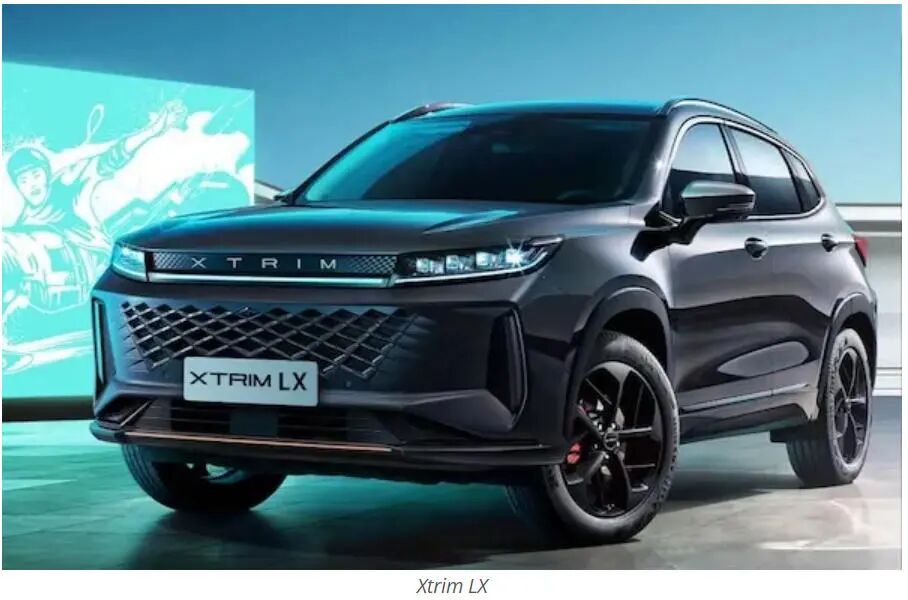
Among the large number of local brands in Iran, these brands produce and sell OEM Chinese car models. BAC sells Geely GX3, FMC sells Fengxing T5 and names it T5 and other models; Fownix sells Chery rebranded models: F7 is the Tiggo 8, Z6 GT is the Arrizo 6; KMC sells SWM G01 and names it A5; sells Jianghuai J4 and names it Eagle; Lamari sells the Fengxing T5 Evo and names it Eama; Sell the Wind God Shine and name it Echo and other models; Jaeco J5, J7, and J8 are sold under the names Lucano 5, 7, and 8, respectively; Xtrim sells six Star Road models. It can be said that these Chinese car companies have been deeply cultivating the Iranian market for many years, establishing a complete sales network, and now all business may be forced to suspend. Before Chinese car companies made their statements, Indian car companies quickly responded. According to media reports, Tata Motors, Maruti Suzuki, Hyundai Motor India, and Volkswagen India have postponed shipments to the Middle East and North Africa. The reason is the sharp rise in transportation costs, tight container supply, and significant increase in war risk insurance premiums. Insiders revealed that the emergency surcharge for each container has risen to $2000. Maruti Suzuki executives stated on March 1st that the Middle East region accounts for 13% of its total exports. The situation in modern India is more prominent, with the Middle East and North Africa markets accounting for 40% of its overseas cargo volume. Elara Capital's Vice President pointed out that if the delivery interruption continues for a month, the cash flow and inventory of these car companies will face pressure.
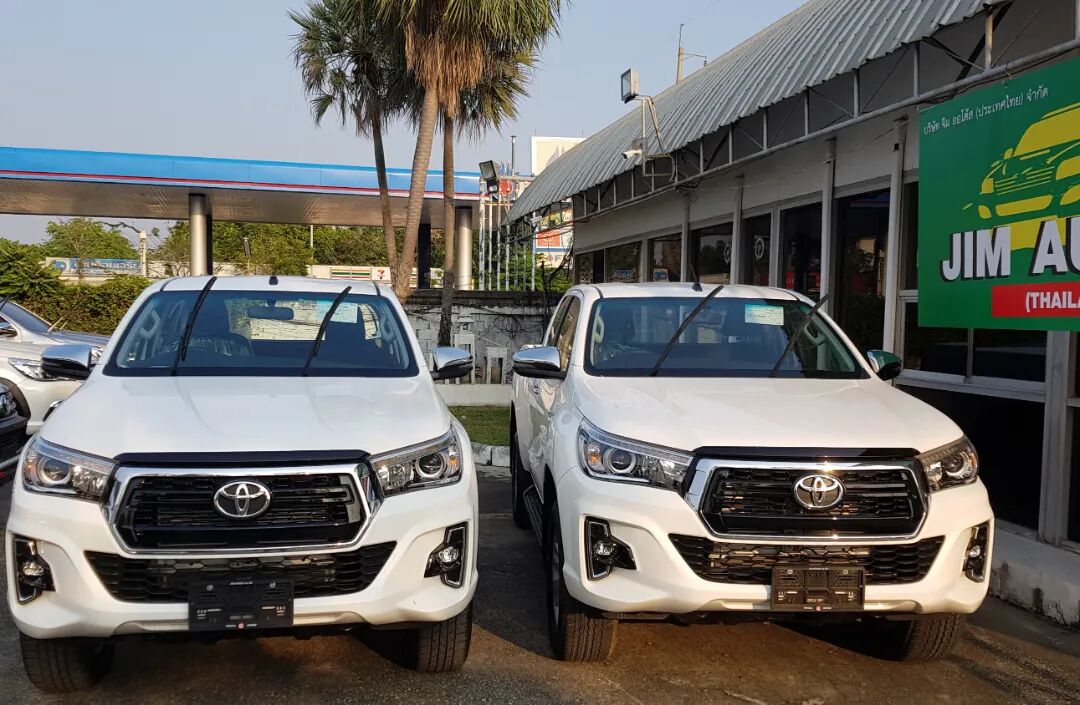
Of course, as the world's best-selling Toyota, its response is the fastest. According to Nihon Keizai Shimbun, Toyota decided to reduce production by 40000 vehicles because of concerns about the disruption of logistics in the Middle East. The main affected vehicles were SUVs such as land cruisers, which sold more in the Middle East market. However, Toyota has not made an official comment on this matter, but the decision to reduce production itself indicates that the world's largest automaker is preparing for a worsening situation.
The obstruction of the Strait of Hormuz has a greater impact
In addition to new car sales, the second challenge facing the automotive industry comes from the logistics and energy sectors. The Strait of Hormuz is the only sea route to the Persian Gulf, through which approximately one-third of the world's seaborne crude oil needs to be transported. Iran issued a warning after the war that any ship passing through the strait could be attacked. This statement led shipping companies to avoid the strait, and the Strait of Hormuz was effectively paralyzed. Ships cannot pass through the Strait of Hormuz and can only detour around the Cape of Good Hope in South Africa. This circumnavigation increases the distance by thousands of nautical miles, prolongs the transportation time by one to two weeks, and correspondingly doubles the shipping cost. Automobiles are commodities that occupy a large amount of space per vehicle, and transportation costs are already high. Coupled with emergency surcharges, many export orders are no longer profitable.
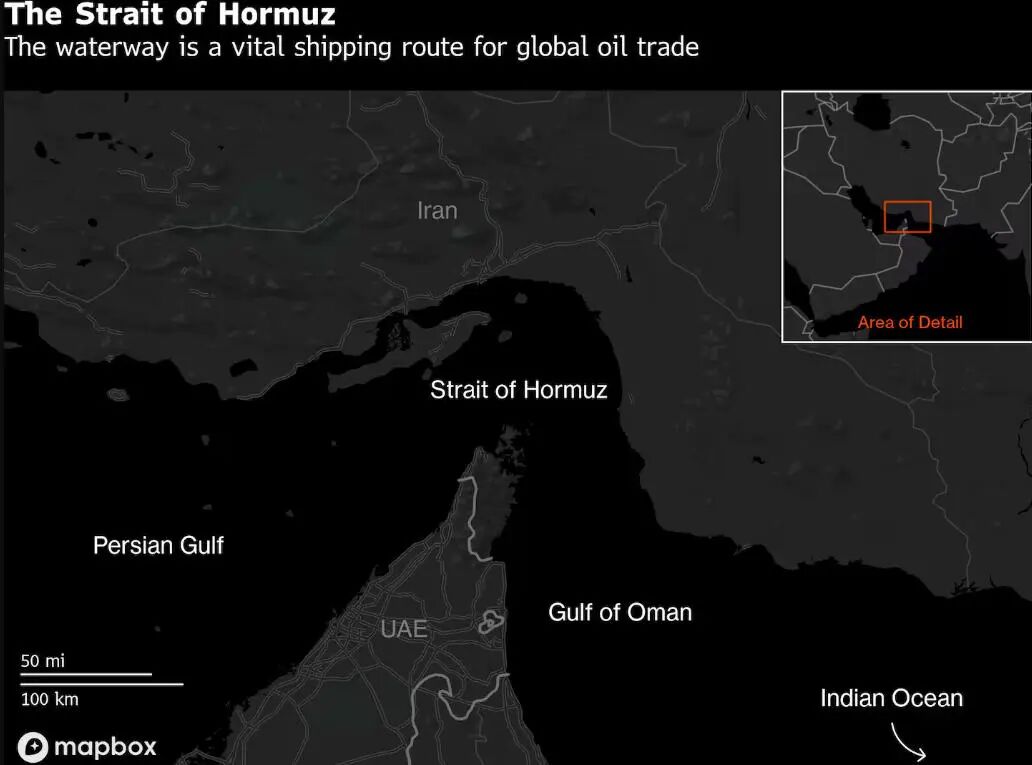
Several Indian car companies have suspended shipments, and the root cause is not a lack of orders, but transportation costs exceeding the revenue boundary. The increase in shipping costs is only the first layer of impact, and the second layer of impact comes from the rise in oil prices. On March 6th, the national average price of regular gasoline in the United States was $3.32 per gallon, an increase of 11.4% from $2.98 a week ago. European oil prices have also seen a significant increase. The obstruction of the Strait of Hormuz has led to difficulties in transporting crude oil, and the market is concerned about supply shortages, causing futures prices to rise accordingly. The rise in oil prices is not good news for the automotive industry, especially for car companies that sell fuel vehicles. Bernstein specifically pointed out that the conflict has had the most severe impact on Strantis, as it has invested the most in the field of internal combustion engines, and rising oil prices will directly suppress demand for its products. Then there are the operating costs of all car companies, such as tire production relying on petrochemical raw materials, vehicle transportation requiring fuel consumption, and rising oil prices will comprehensively push up costs. According to calculations by Kailai Securities, freight costs typically account for 1% to 3% of car companies' revenue, and a doubling of oil prices will lead to a synchronous increase in this proportion. Another factor is the insurance cost. Ships that do not pass through the Strait of Hormuz are not completely impassable, but rather the war risk premium has risen to an unbearable level. Indian car companies would rather suspend shipments than purchase insurance, indicating that the premium increase has exceeded a reasonable threshold. Two wheeler manufacturer Bajaj Motors has also suspended shipments to Gulf countries, which account for only 3% of its exports, but this profit has been completely eroded by rising insurance premiums.
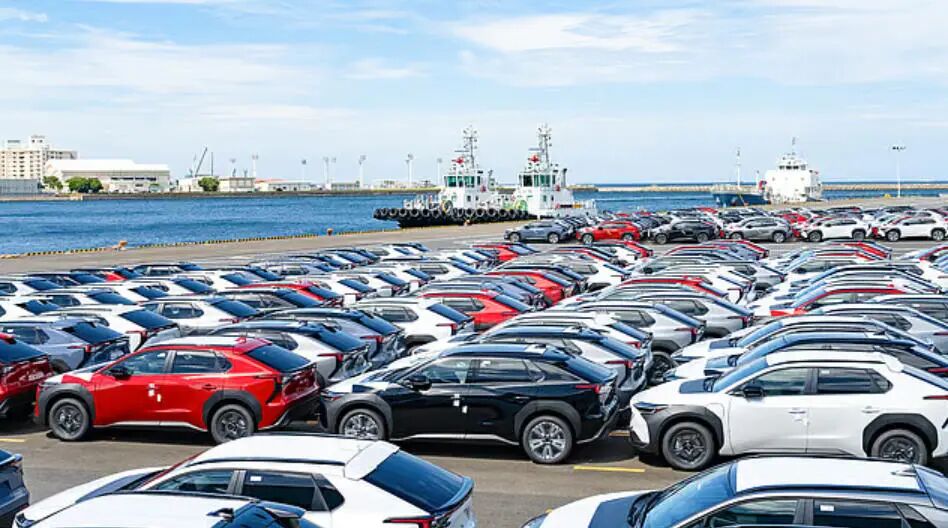
All these pressures will be transmitted to the consumer end, with rising oil prices increasing the cost of using cars, and potential car buyers may postpone their purchase plans. Combined with rising inflation expectations, Bernstein wrote in the report that the biggest risk of ongoing war is to push up oil prices, weaken global economic confidence, and lead to a sharp decline in car sales outside the Gulf region. In addition to shipping costs and oil prices, there is another layer of impact: supply chain disruptions. It is said that the modern automotive industry is one of the most finely divided industries in the world, and a gearbox may be transported from South Korea to India, assembled into a complete vehicle, and then shipped to the Middle East. After the Strait of Hormuz was blocked, the entire chain experienced a lag. Toyota reduced production by 40000 vehicles, not only due to decreased demand in the Middle East market, but also because parts could not be delivered on time. The Bernstein report points out that if the war lasts for more than four months, the impact of the supply chain will spread to Türkiye, and then to Europe. Türkiye has a developed automobile industry and supplies a large number of parts for Europe. Once the Türkiye factory stops production due to lack of parts, European car companies will also face a chain reaction. At present, there is no sign of the war ending. Bernstein envisioned three scenarios: a short-term ceasefire within three months with controllable impacts; Four months to mid year conflict, regional GDP pressure, investment delay; A long-term war lasting over a year will solidify costs into a new normal, making it difficult for prices and interest rates to return to pre war levels. At present, the US side has stated that it will continue to attack until the goal is achieved, and the new Iranian government has not yet taken shape, with little prospect of a ceasefire. For the global automotive industry, the most severe test may not have arrived yet.
AMS2024 Exhibition Guide | Comprehensive Exhibition Guide, Don't Miss the Exciting Events Online and Offline
Notice on Holding the Rui'an Promotion Conference for the 2025 China (Rui'an) International Automobile and Motorcycle Parts Exhibition
On September 5th, we invite you to join us at the Wenzhou Auto Parts Exhibition on a journey to trace the origin of the Auto Parts City, as per the invitation from the purchaser!
Hot Booking | AAPEX 2024- Professional Exhibition Channel for Entering the North American Auto Parts Market
The wind is just right, Qianchuan Hui! Looking forward to working with you at the 2024 Wenzhou Auto Parts Exhibition and composing a new chapter!
Live up to Shaohua | Wenzhou Auto Parts Exhibition, these wonderful moments are worth remembering!
Free support line!
Email Support!
Working Days/Hours!



Copyright © 2018, PKT Auto Parts All Rights Reserved
浙ICP备18033565号-1
 浙公网安备33038102332475号