English
 Chinese
Scan QRCode

We have indeed talked a lot about the spoilers of the 2026 new car lineup recently. From the exaggerated styling of crossover cars to the increasing number of screens in cockpits, these "surface efforts" are certainly eye-catching, but the real upheaval in the automotive industry often lies in those invisible places. Today, let's take a different perspective and talk about the technological trends hidden under car shells that may truly rewrite the rules of the game. We will use several columns to sort out the most anticipated cutting-edge automotive technologies for 2026.
battery technology
Let's start with battery technology. Solid state batteries are undoubtedly the top topic in the battery industry, and in recent years, whenever technology is discussed in the automotive industry, it is highly likely to be mentioned. It is said that 2026 may be the year when it leaves the laboratory and truly begins to be installed, but if you really want to get on the car, you have to go through the reality first. The batteries you use now, whether it's in mobile phones, electric vehicles, or new energy vehicles, are essentially "liquid batteries":
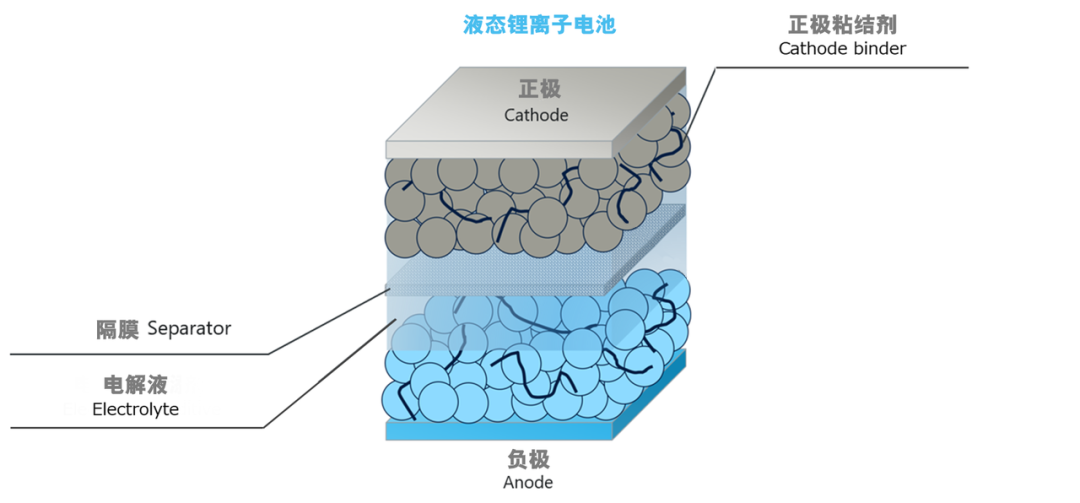
Between the positive and negative electrodes, there is a layer of liquid electrolyte that is flammable, prone to leakage, and sensitive to high temperatures, like a pot of "hot soup" always stored in a battery. And solid-state batteries do one thing: completely replace this layer of liquid with solid materials. No liquid flow, no evaporation or leakage, the entire battery structure is more stable. It's like replacing the "box lunch with soup" with "compressed biscuits".
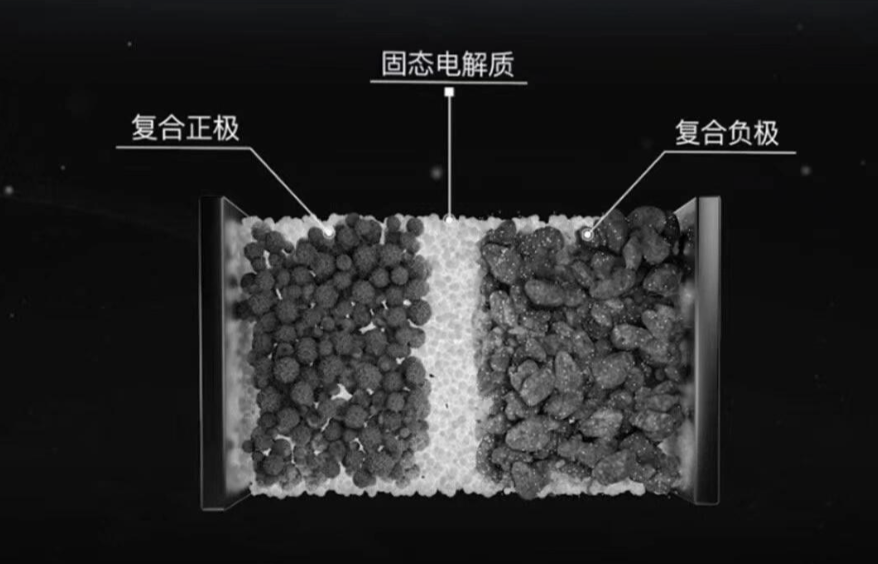
So the question is: what is the intention behind this fuss? Firstly, it must be for the sake of safety. When liquid is replaced with solid, it does not flow, does not evaporate, and is more stable. The most headache inducing issue with traditional batteries is thermal runaway. High temperatures can cause electrolyte decomposition, collisions can lead to short circuits, and all of these can cause the internal temperature of the battery to skyrocket. Once a fire breaks out, it can easily spread throughout the entire battery pack, and the "fire camp" is not a joke.

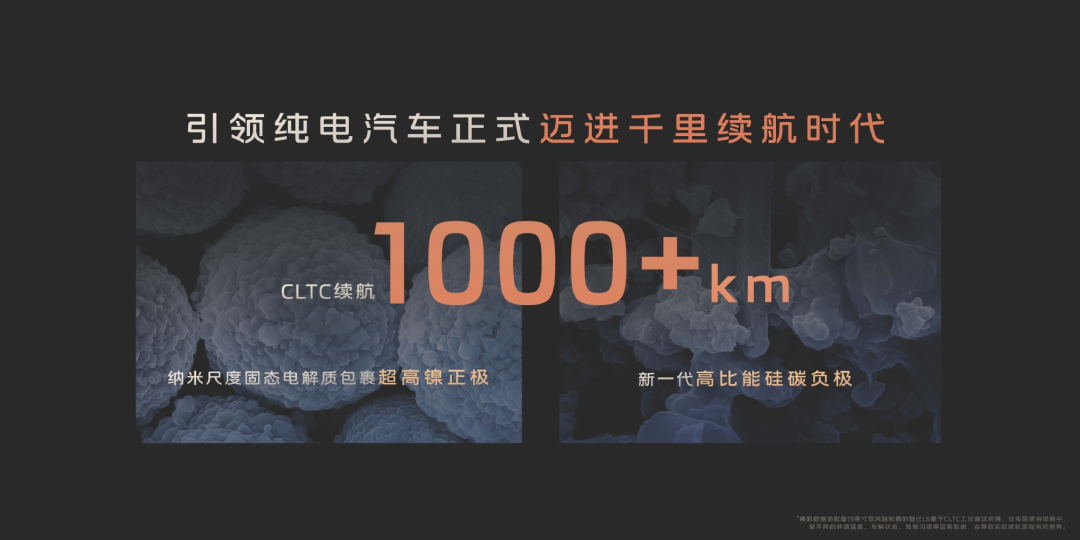
Solid state batteries directly replace the electrolyte with a solid, reducing the amount of combustibles, increasing thermal stability, and naturally reducing the risk of thermal runaway. It's not that it won't catch fire, but it's even harder to light. Secondly, the battery life can be significantly increased. Solid state batteries can hold more power with the same volume. Liquid batteries are limited by membranes and electrolytes, and have encountered bottlenecks in materials and structures. Solid state batteries may use lithium metal negative electrodes, which have a more compact structure and directly increase the theoretical energy density. So you often hear this saying: 'Once a solid-state battery is in the car, breaking the thousand mile range is not a dream.'.
Moreover, compared to traditional batteries, solid-state batteries also have a longer lifespan. In theory, solid-state batteries have fewer side reactions during charging and discharging, slower aging rates, and are more durable. Although solid-state batteries sound good everywhere, the material difficulties have not been fully resolved yet. At present, solid-state batteries are still facing problems such as poor conductivity of solid electrolytes, loose adhesion between positive and negative electrodes, poor consistency, and low yield. As of now, the official progress of solid-state batteries announced by the three major state-owned enterprises and 12 mainstream vehicle manufacturers, including BYD and Geely, almost all point to the time node of 2026 for vehicle validation and 2027 for initial mass production. We have summarized the timetable for some car companies to install solid-state batteries:
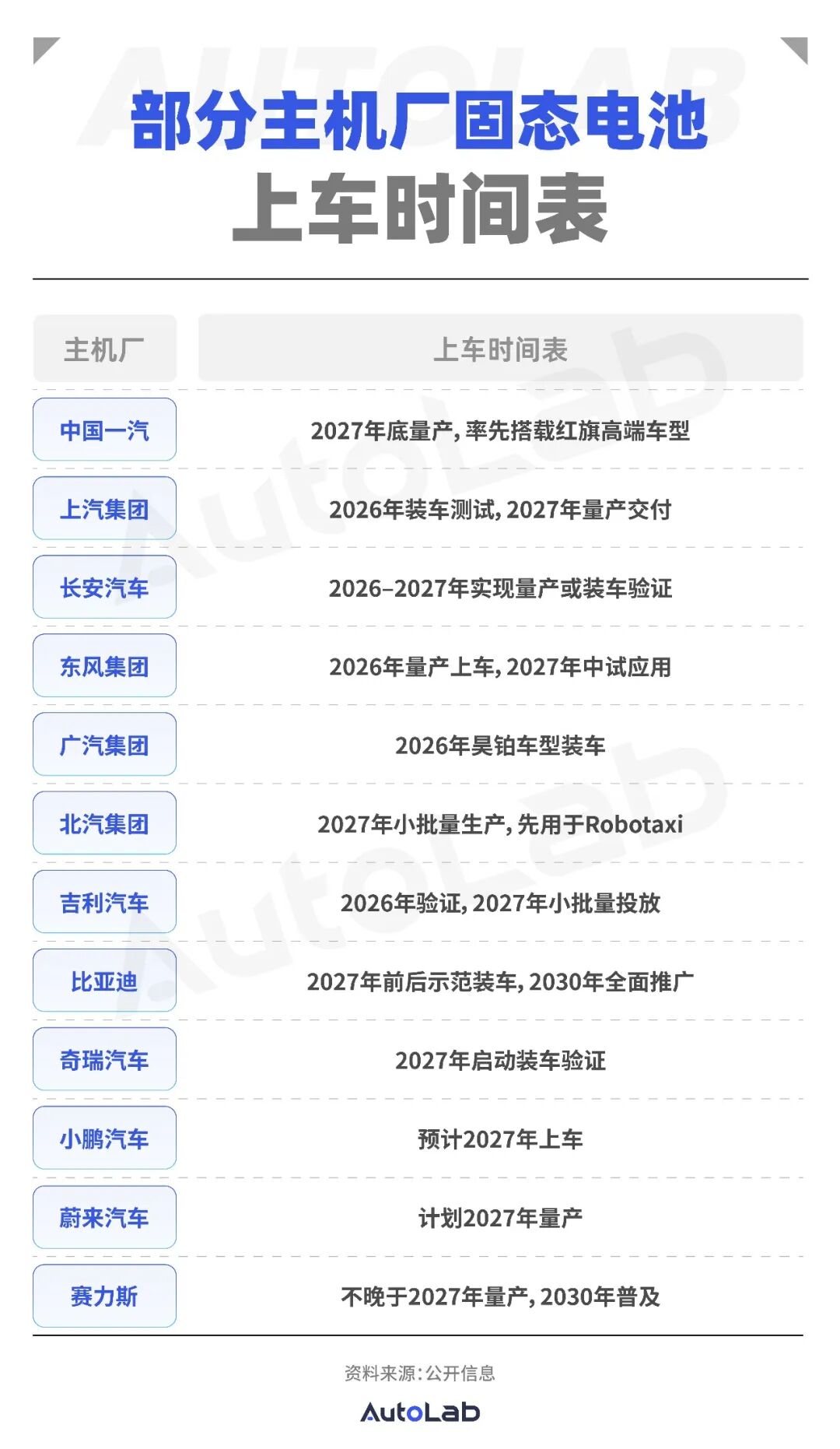
However, it is worth noting that if you see the promotion of "solid-state battery vehicle models" now, we suggest you squint your eyes and take a look at the small text description. Because currently, most of the batteries that can be mass-produced in cars are actually semi-solid state batteries. The true all solid state is mostly still alive in laboratories and PPTs. Almost all manufacturers are taking the transition route from semi-solid to all solid state. We have also summarized the schedule for some car companies to use semi-solid state batteries on their vehicles:
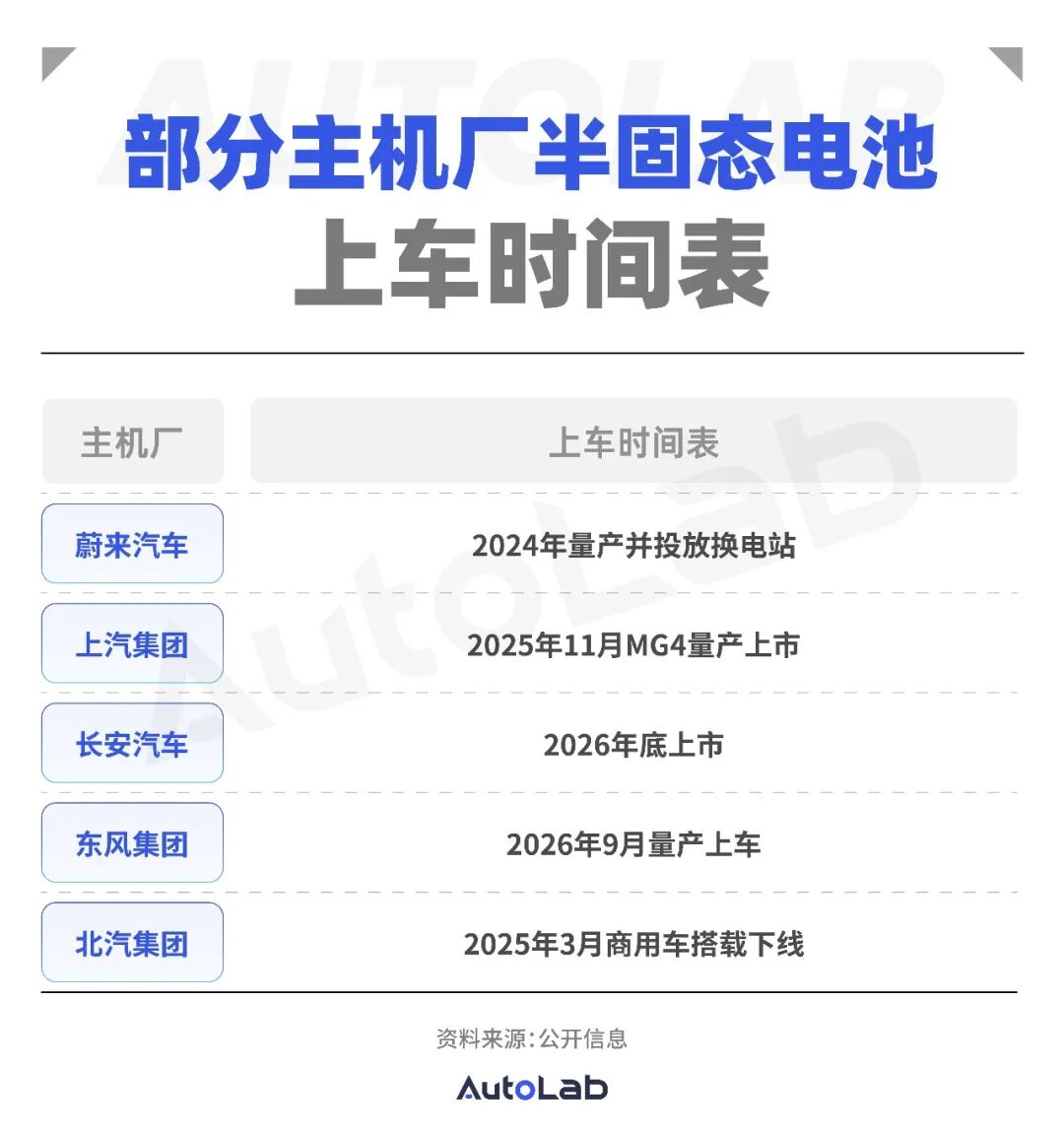
The so-called semi-solid state battery, although the electrolyte has not been completely removed, has reduced its proportion from 20% -25% of traditional batteries to 5% -10%, and its content is still declining. After the electrolyte is reduced, the safety and energy density of the battery pack also increase synchronously. As the electrolyte decreases, the safety and energy density of the battery pack also improve. And for car companies, semi-solid state technology can be retrofitted and produced on existing production lines, with controllable costs, and can be used now. For example, NIO's 150 degree semi-solid state battery, which was launched last year, had a range of 1050km when replaced with the ET7; For example, the new MG4 from MG officially launched a brand new semi-solid state battery version at the end of November, extending the range of small pure electric vehicles to 530km while keeping the price within 100000 yuan. So, all solid state is the future of the industry, but it is still in a transitional stage of "Tathagata".
Engine technology
Don't think that electric cars play a leading role, while internal combustion engines are just retiring on an equal footing. The fact is, it is still desperately evolving. Starting from next year, the thermal efficiency of domestically produced hybrid engines will collectively reach a new level. Thermal efficiency, simply understood as the ability to 'squeeze out every drop of oil', the higher the number, the more fuel-efficient it is. Dongfeng's new generation Mach power hybrid engine has achieved a thermal efficiency of over 48% during the testing phase.
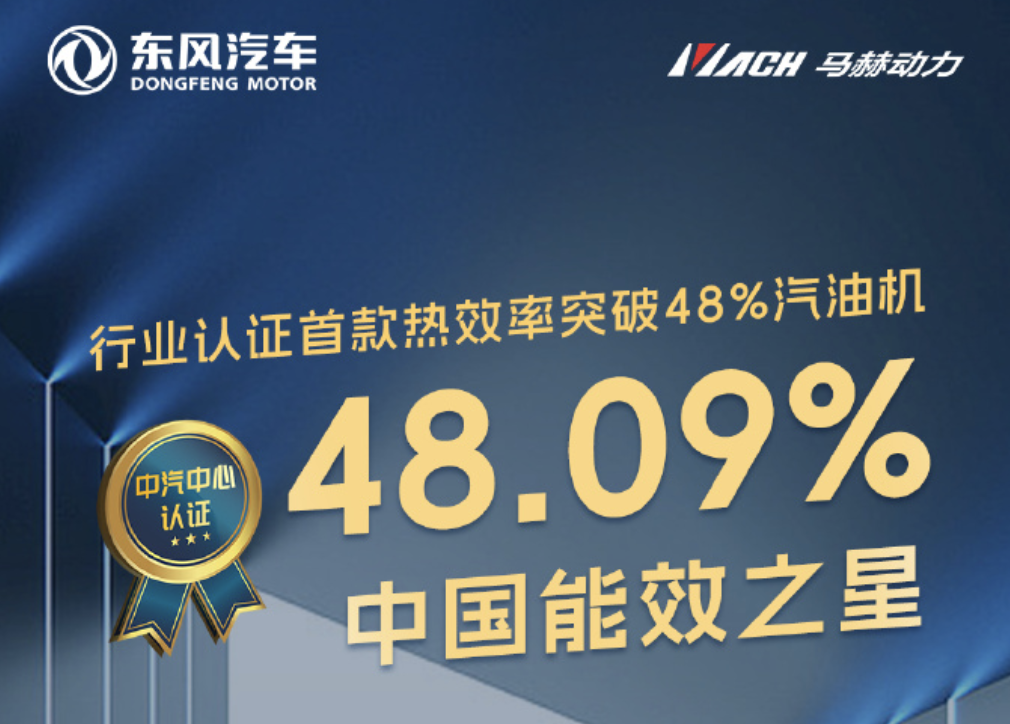
The official said that it can maintain "excellent energy-saving effect" in most working conditions, which is equivalent to running 1000 kilometers per tank of oil before, and now under the same conditions, it can run nearly 100 kilometers more. Chery unveiled its new "Kunpeng Tianqing" engine at the 2025 Global Innovation Conference, which also pushed the thermal efficiency to over 48%. The production version is expected to be launched in 2026. Of course, laboratory data belongs to the laboratory, and whether we can maintain such high efficiency throughout the entire journey depends on running and seeing. In addition to high heat efficiency, manufacturers have also put a lot of effort into "how to burn better". Mercedes Benz announced that the 2026 CLA220 will be equipped with a 1.5-liter turbocharged inline four cylinder engine codenamed M252, jointly developed by Mercedes Benz and Geely Power Department, and produced in China.
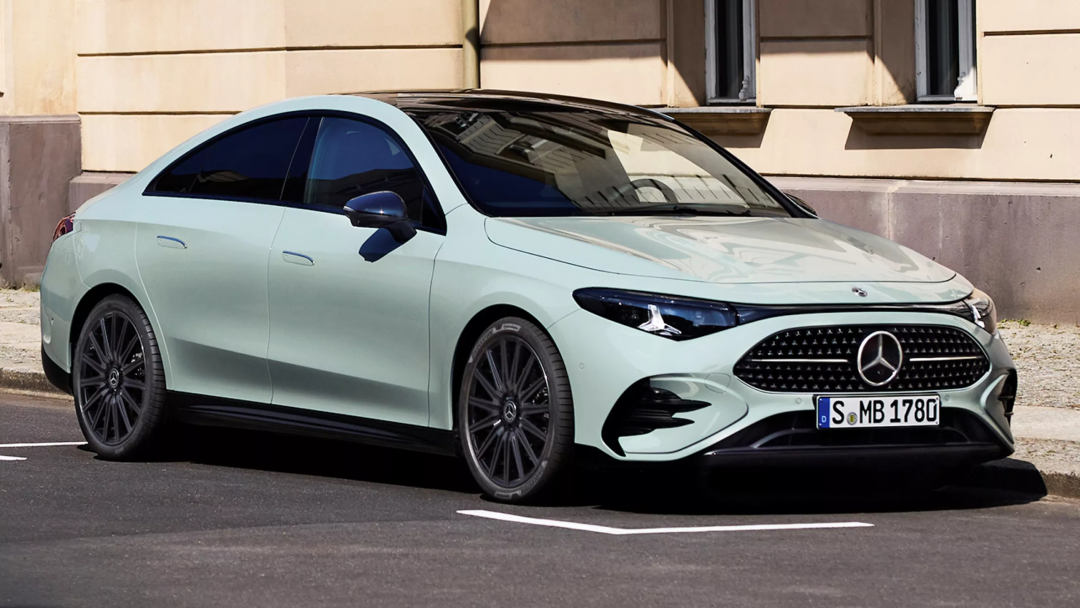
It adopts Miller cycle technology and is equipped with a cylinder head integrated exhaust manifold. Not only can it reduce turbo lag, but it can also accelerate the preheating of the engine and catalyst, achieving leaner air-fuel ratio combustion, which not only requires power but also saves fuel. What is even more surprising is that some technologies that were once "eliminated" by fuel vehicles have also been picked up again in the era of new energy. The first rotary engine R05E of Dong'an Power has recently been successfully ignited, and new technology has been used to solve the old problems of poor sealing, short lifespan, and easy breakage.
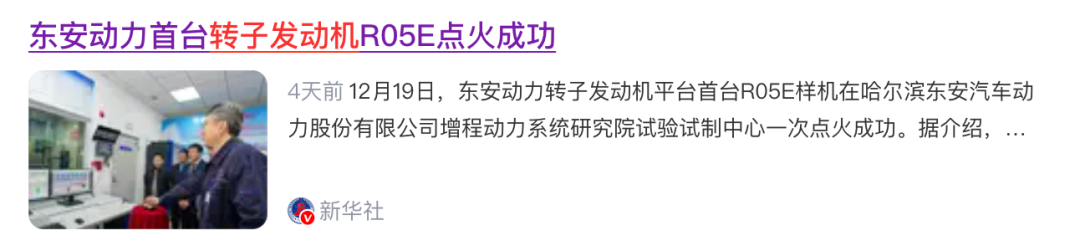
The 'black technology' that once made Mazda a god and almost bankrupted Mazda is also going to shine for the new energy industry. Compared to traditional reciprocating piston engines, rotary engines lack a series of components such as crank connecting rod mechanisms, camshafts, rocker arms, timing systems, and more. The advantages it brings are lightweight, improved NVH, requiring only a small layout space, and high speed and power. It can be said to be the "power generator" that extended range electric vehicles dream of. If you are interested in rotary engines, you may take a look at our detailed interpretation of it: Rotary Engine: Rebirth of Me in New Energy Vehicles. When it comes to the most radical internal combustion engine test field, we have to look at F1. Mercedes Benz's new engine uses the principle of thermal expansion and contraction to increase the compression ratio from 16:1 to 18:1 during operation, thereby squeezing out more horsepower. It is said to bring about a 0.3 second improvement in single lap performance.
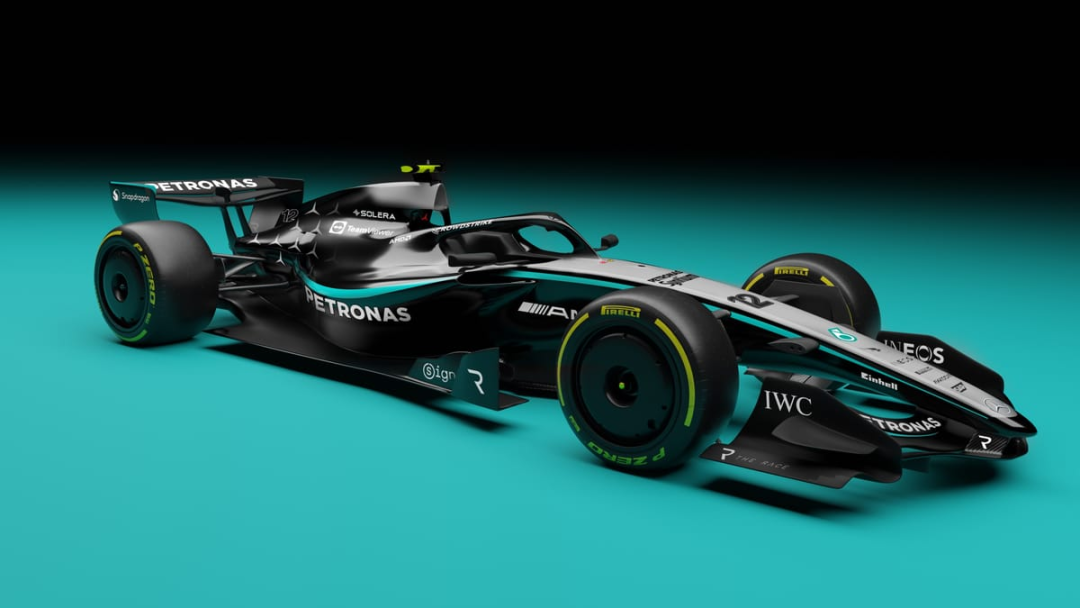
More notably, starting from 2026, F1 will fully utilize sustainable fuels. These fuels come from non food biomass, urban waste, and even carbon directly captured from the air, which can reduce greenhouse gas emissions by at least 65%. And more importantly, this fuel is fully compatible with existing internal combustion engines. This also means that one day in the future, your family's gasoline car may also "drink" this environmentally friendly fuel. As a former owner of an "old energy vehicle", I sincerely hope to see the day when sustainable fuels can bring the cost of using fuel vehicles to the same level as electric cars.
In conclusion
After discussing these technologies, you will find that the real highlights of 2026 may not necessarily lie in the design and large screen, but in the hard core technologies that are quietly evolving under the car shell. Whether it's the landing of semi-solid state batteries, the frenzy of engine efficiency, or even the "Renaissance" of old technology, they are essentially answering the same question: how can cars become safer, more efficient, and more sustainable? Next, we will continue to focus on these 'invisible upgrades' and dismantle the underlying technologies that could truly change the driving experience for you. You can leave a message telling us which cutting-edge technologies you want to see, and in the next issue, we will start with the one you are most concerned about.
AMS2024 Exhibition Guide | Comprehensive Exhibition Guide, Don't Miss the Exciting Events Online and Offline
Notice on Holding the Rui'an Promotion Conference for the 2025 China (Rui'an) International Automobile and Motorcycle Parts Exhibition
On September 5th, we invite you to join us at the Wenzhou Auto Parts Exhibition on a journey to trace the origin of the Auto Parts City, as per the invitation from the purchaser!
Hot Booking | AAPEX 2024- Professional Exhibition Channel for Entering the North American Auto Parts Market
The wind is just right, Qianchuan Hui! Looking forward to working with you at the 2024 Wenzhou Auto Parts Exhibition and composing a new chapter!
Live up to Shaohua | Wenzhou Auto Parts Exhibition, these wonderful moments are worth remembering!
Free support line!
Email Support!
Working Days/Hours!



Copyright © 2018, PKT Auto Parts All Rights Reserved
浙ICP备18033565号-1
 浙公网安备33038102332475号