English
 Chinese
Scan QRCode

These cars are about the same size, why is there such a big price difference? "Last week, accompanying his friend Xiao Jin to buy a car, he asked the opening question after visiting several 4S stores. I had to explain to him, 'Because some are A-class cars and some are B-class cars, just like the Qin PLUS and Camry. The Qin PLUS is positioned as an A-class car, but its size has already reached the B-class standard, while the Camry is a very standard B-class car, so there is a price difference.'. ”But after the explanation, he still didn't understand. Because in his understanding, A-class cars are A-class cars, B-class cars are B-class cars, and there should be clear boundaries such as size and displacement between them. Why are A-class cars and B-class cars of similar size? For example, A-class cars (i.e. compact cars) are strictly limited to a wheelbase between 2.5 meters and 2.7 meters, while B-class cars (medium-sized cars) mark a clear price and positioning watershed with a wheelbase of 2.7 meters to 2.9 meters. Behind the boundary delineation, consumers are also well aware that A-class cars meet basic travel needs, while B-class cars mean comprehensive improvements in space, comfort, and face.
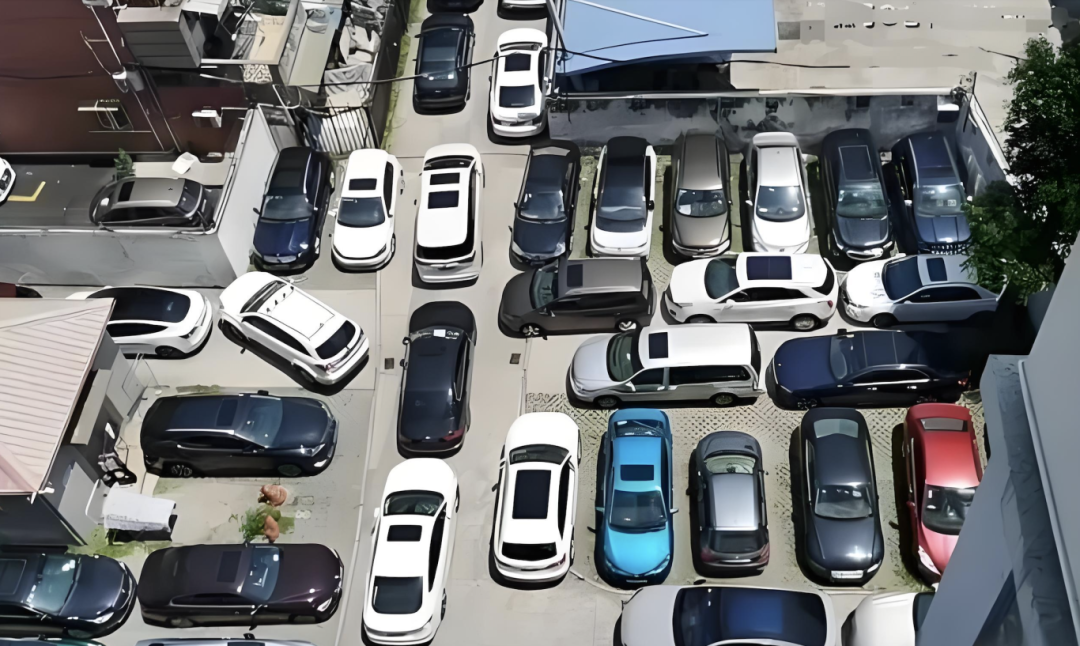
However, little do they know that the boundary between A-class and B-class cars is constantly being blurred in the Chinese automotive market. Therefore, there will be many consumers like Xiaojin who are confused by the increasingly vague level positioning of cars. Moreover, with the intensification of competition in the automotive market, the boundary between A-class and B-class cars, as well as higher-level models such as C-Class and D-class cars, is becoming increasingly blurred. Especially for mainstream domestic brands' A-class cars, most of them have the wheelbase, length, comfort, and luxury of traditional B-class cars. It is precisely because of these advantages, coupled with prices far lower than traditional B-class cars, that they have laid a solid foundation for the positive development of domestic brands.
01 Boundaries of Loss
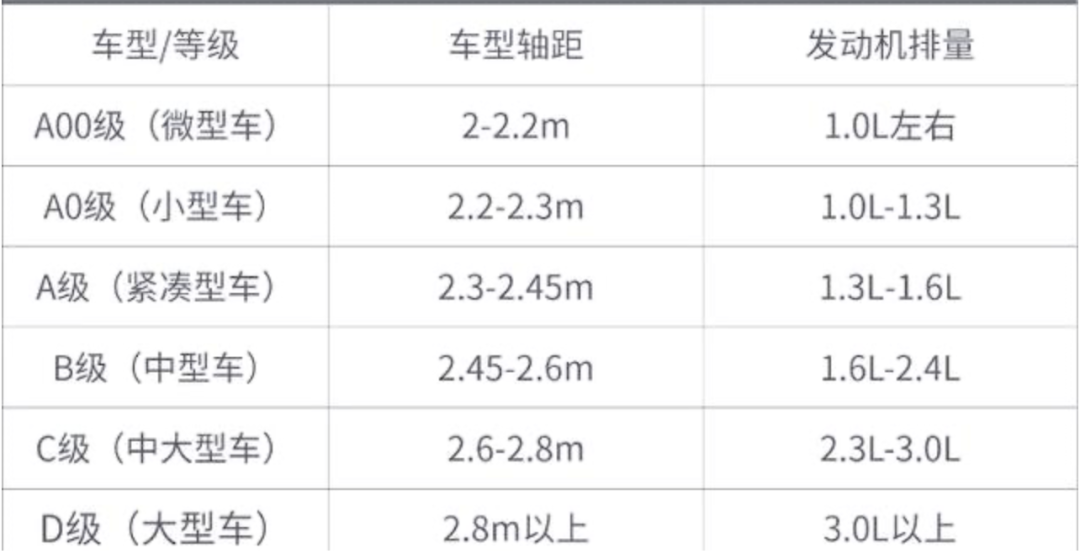
Once upon a time, the grading standards for the Chinese automotive market were as clear as textbooks. Different levels of car models have strict definitions. In addition to the body size mentioned earlier, it also includes standards such as engine displacement, for example, the engine displacement of A-class cars is mostly 1.6 liters to 2.0 liters. And this camp used to be the absolute territory of joint venture brands, including models such as the Lavida, Sylphy, Corolla, etc., which consistently topped the sales charts, forming the first car memory of Chinese families. On the other hand, B-class cars such as Accord, Camry, Passat, etc. have a clear boundary with A-class cars with a wheelbase of 2.7 meters to 2.9 meters, a body length of about 4.8 meters, and larger displacement engines. However, this seemingly stable dividing line is constantly crumbling in the Chinese market. And upon closer examination, this disintegration can be traced back to the leapfrog competition strategy employed by domestic brands to counter joint venture brands.
In the era when joint venture brands almost monopolized the mid to high end market, facing the technological accumulation and brand premium of joint venture brands in the traditional A-class car market, independent brands chose a path of "reducing dimensions and striking": using the size of B-class cars and the price of A-class cars to form an asymmetric competitive advantage. For example, the 2008 BYD F6 had B-class car space and was equipped with rich and luxurious features, but its price of 89800 yuan, which was the price of a Fit at the time, posed a threat to the B-class car market that year. The logic of this strategy is that it takes a long time for domestic brands to catch up with joint venture brands in traditional three major areas such as engines, but it is relatively easy to surpass them in terms of body size, interior design, and technological configuration. When consumers sit in a domestic brand car with a wheelbase of 2.8 meters, it is difficult not to compare it with a joint venture B-class car that is similar in size but priced tens of thousands of yuan higher. Especially behind the marketing slogan 'buy the size of a B-class car at the price of an A-class car', lies the unique value judgment of Chinese consumers. In a market environment where the per capita car ownership is still relatively low, many families follow the principle of "one-stop" when buying a car. Vehicles are not only means of transportation, but also important carriers for extending family space and showcasing social image. When domestic brands keenly capture this demand, size expansion becomes the most direct competitive advantage. During this period, many domestic brands that have tasted the sweetness have also completed the elongation of their sizes during the facelifts and upgrades. The Changan Yidong PLUS has grown from 4.62 meters in the first generation to 4.73 meters in the current model; BYD Qin PLUS reaches 4.765 meters; Qiyuan A05 is even closer to the 4.8-meter mark. These data were already fully up to the B-class car standard at that time.
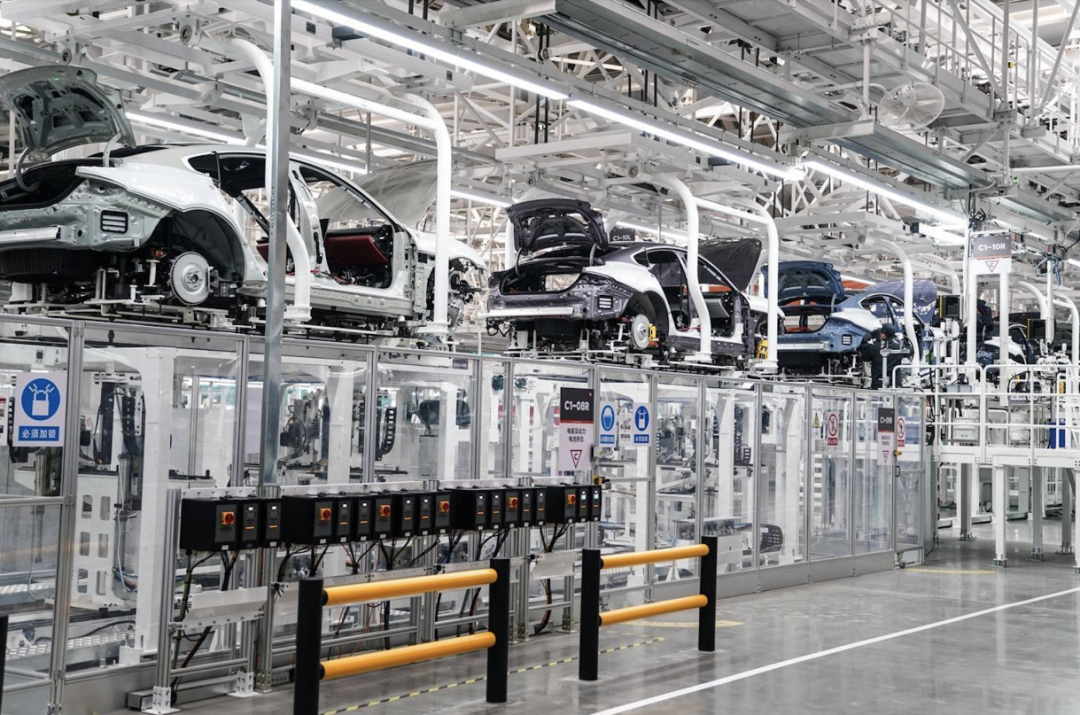
Meanwhile, with the arrival of electrification, electrification and platformization technologies once again provide a physical basis for size expansion. For example, pure electric platforms eliminate the complex transmission layout of traditional fuel vehicles and can maximize internal space with the same external dimensions. Modular platforms allow car companies to develop different sizes of models at relatively low costs and quickly adjust body parameters to meet market demand. Including BYD's e-platform 3.0 and Geely's vast SEA architecture, both have extremely high space utilization rates. When electric vehicles no longer require a large engine compartment, the four wheels can be pushed towards the corners as much as possible, achieving a significant increase in "occupancy rate". This technological dividend allows A-class electric vehicles to directly challenge traditional fuel B-class cars in terms of space.
02 is not about 'killing', but about redefiningWhen a car company achieves market success through the "enlarged" A-class car, competitors have to follow suit. The competitive pressure of 'if you don't grow bigger, you'll be eliminated' has led to the expansion of the size of the entire segmented market. Joint venture brand models that once adhered to standard sizes have also had to launch extended or special editions to meet the challenges. Strategies such as the Lavida Plus, the Sylphy Classic, and the new generation co selling are all passive adjustments under this trend. Especially in the face of the strong attack of domestic brands in the "enlarged A-class car" market, the market share of traditional A-class cars of joint venture brands has been continuously squeezed. Giants such as Volkswagen, Toyota, and Honda have had to re-examine their product strategies. On the one hand, they are accelerating their electrification transformation and launching more localized electric models. On the other hand, they are adopting a "high-end, low-end" strategy in the field of fuel vehicles, investing more resources in B-class and above markets where there is still room for brand premium.
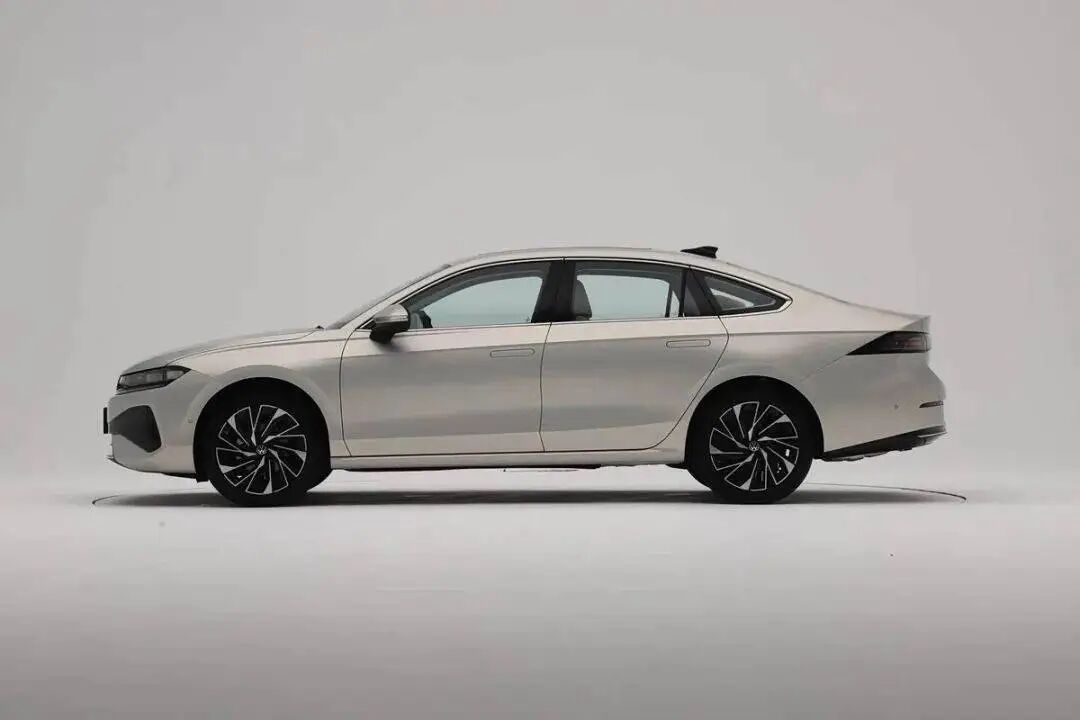
For example, the Toyota Corolla and Corolla have extended their wheelbase from 2700mm to 2750mm, while the Volkswagen Sagitar has reached 4812mm in length and increased rear legroom through optimized layout. Not only that, there are also joint venture brands that choose to "beat small with big" and launch entry-level B-class cars with lower prices, which are eroding the A+market in reverse. This kind of pincer attack not only further narrows the living space of traditional A-class cars, but also gives birth to larger and higher configured A-class and A+class cars defined by the new era. Obviously, in the fierce market competition, "enlarging the size" has become one of the key strategies for joint venture A-class cars to defend market share and maintain product attractiveness. This' size competition 'is essentially an adaptive adjustment of joint venture brands to the new market landscape. Strictly speaking, A-class cars have not been "killed" under the breaking of old boundaries and the division of new boundaries, but have been redefined. The traditional classification standards centered on size are giving way to new standards centered on functionality and scene.
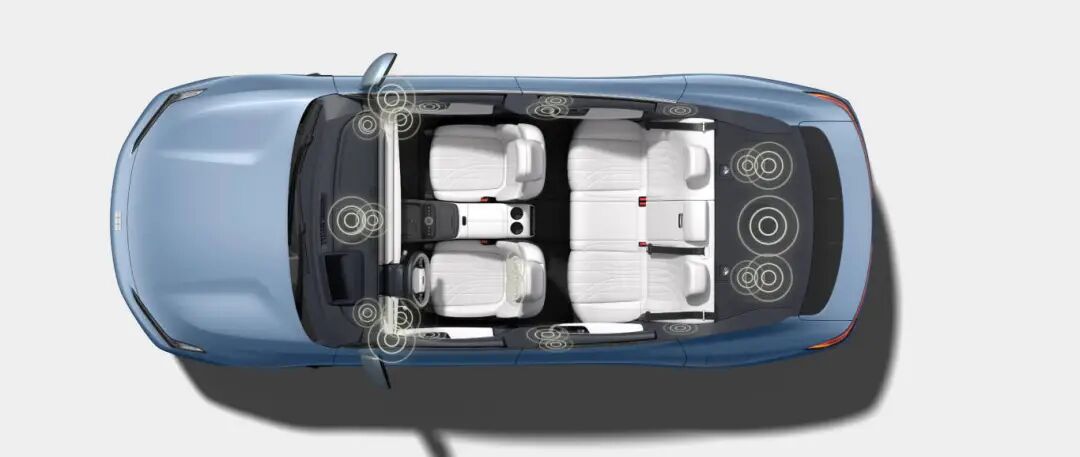
Not just now, there may be more possible market differentiation in the future. For example, some A-class cars continue to "grow up" and become the only choice for family vehicles; The other part returns to the essence of "compactness", focusing on segmented scenarios such as urban commuting and personalized travel. The representative of the latter may be boutique cars, which no longer pursue maximum size, but optimize the experience within a limited size. In addition, with the development of intelligence, when driving assistance and intelligent cockpit become the core selling points, consumers' focus is shifting from "physical space size" to "digital space experience". Even if a car is slightly smaller in size, if it has excellent autonomous driving capabilities, smooth car to car interaction, and rich entertainment ecology, its perceived value may far exceed that of a "large and mediocre" model. This value transfer provides a new competitive dimension for A-class cars, allowing them to not have to compete in the red ocean of size, but to establish differentiated advantages through intelligence and personalization. Because when the size expansion reaches its physical limit (such as constraints on parking convenience, energy consumption, etc.), the focus of competition will inevitably shift to dimensions such as energy consumption, safety performance, intelligence, service, and brand culture.

In short, B-class cars did not truly "kill" A-class cars, but instead jointly demonstrated a market evolution. What disappears is not a certain category of car models, but rigid classification boundaries; What is changing is not consumers' demand for space, but the ways in which this demand is met. The ultimate outcome of this size competition will not be for all cars to become 5-meter-long behemoths, but rather for a new balance to be formed under diverse demands: some people need family transportation tools that maximize space, some people need city companions that can flexibly shuttle, and some people need style choices that showcase individuality. The value competition in the automotive industry is not just a single dimension of physical size. As consumers, we should perhaps ask ourselves: Do we need a car that looks like 200000 yuan or a car worth 200000 yuan? The answer to this question will also determine the direction of future automotive evolution.
AMS2024 Exhibition Guide | Comprehensive Exhibition Guide, Don't Miss the Exciting Events Online and Offline
Notice on Holding the Rui'an Promotion Conference for the 2025 China (Rui'an) International Automobile and Motorcycle Parts Exhibition
On September 5th, we invite you to join us at the Wenzhou Auto Parts Exhibition on a journey to trace the origin of the Auto Parts City, as per the invitation from the purchaser!
Hot Booking | AAPEX 2024- Professional Exhibition Channel for Entering the North American Auto Parts Market
The wind is just right, Qianchuan Hui! Looking forward to working with you at the 2024 Wenzhou Auto Parts Exhibition and composing a new chapter!
Live up to Shaohua | Wenzhou Auto Parts Exhibition, these wonderful moments are worth remembering!
Free support line!
Email Support!
Working Days/Hours!



Copyright © 2018, PKT Auto Parts All Rights Reserved
浙ICP备18033565号-1
 浙公网安备33038102332475号