Entering a new market is always challenging and slow, requiring significant investment but not necessarily yielding immediate results. Europe is China's largest export market for electric vehicles and an indispensable destination for new EV brands seeking global expansion. XPeng and NIO were among the first to enter the European market in 2021, yet their market share remains difficult to grow. According to the latest data from research firm Dataforce, in October, Chinese brands held approximately 6.8% of the European market share, with total sales reaching 75,000 units. Among these, pure electric vehicle sales amounted to 26,000 units, accounting for 11.8% of the pure electric vehicle market.
It should be noted that brands led by BYD and MG account for the majority of sales, while new high-end brands targeting the premium market have achieved some success in individual countries but still hold a relatively small overall market share in Europe, failing to establish a scale effect across the continent. In response, these premium new brands are launching a new round of global expansion efforts. At a closed-door strategy meeting held by Li Auto in October this year, Chairman and CEO Li Xiang acknowledged that one of the company's "biggest mistakes" was delaying its full-scale global expansion, resulting in a slower development pace in overseas markets compared to competitors like XPeng and NIO. He noted that Li Auto had repeatedly discussed its international expansion plans internally but remained indecisive on key questions such as "when to expand" and "how to expand.".
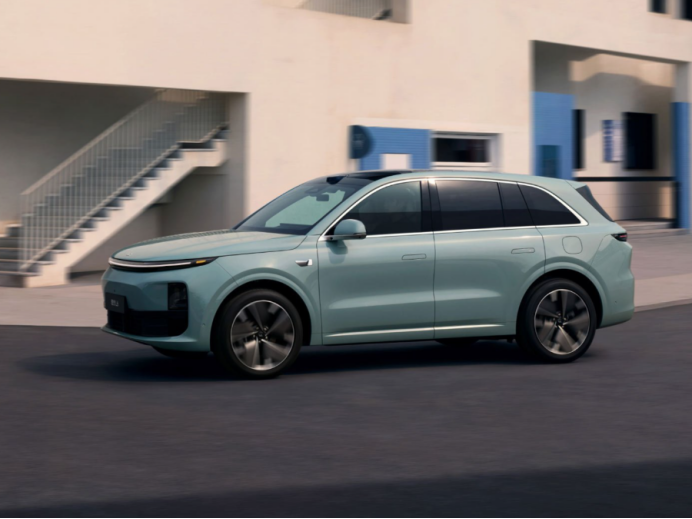
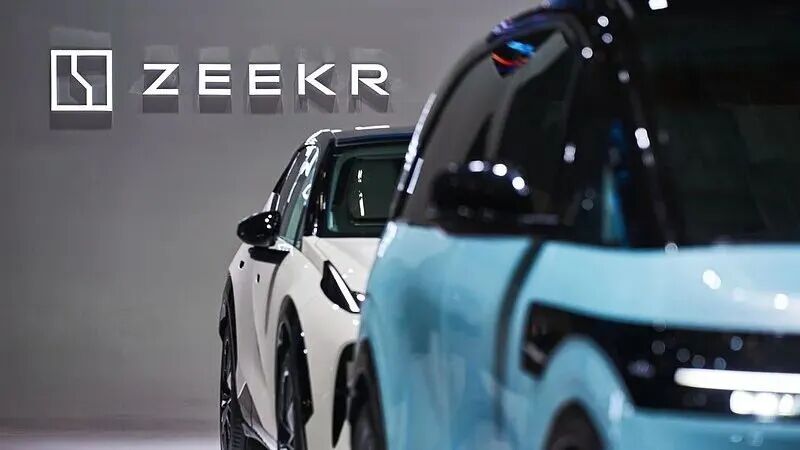
For this reason, Ideal has made "going global with all its might" one of its core strategies for 2025 and beyond. Jike is also accelerating its expansion in the European market. According to foreign media reports, Lothar Schupet, the acting CEO of Extreme Krypton Europe, recently stated that Extreme Krypton will launch its expansion business in Germany in the first half of next year and take six to eight months to prepare for entering the French, Italian, and Spanish markets. It is expected to be achieved by mid-2026.
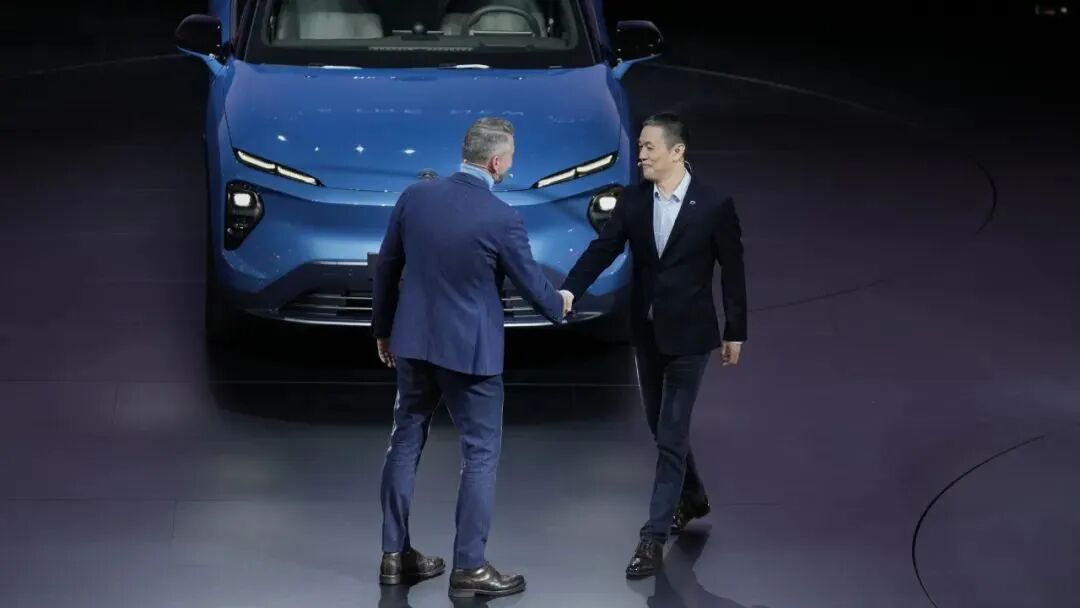
Similarly, Xiaopeng has been making continuous moves in overseas business recently. He Xiaopeng stated that the Xiaopeng X9, which was recently exhibited at the Guangzhou Auto Show
The PowerX Extended Range Edition is expected to be included in the European product lineup to gain broader market development space. Previously, foreign media reported that Xiaopeng had not yet released Mona
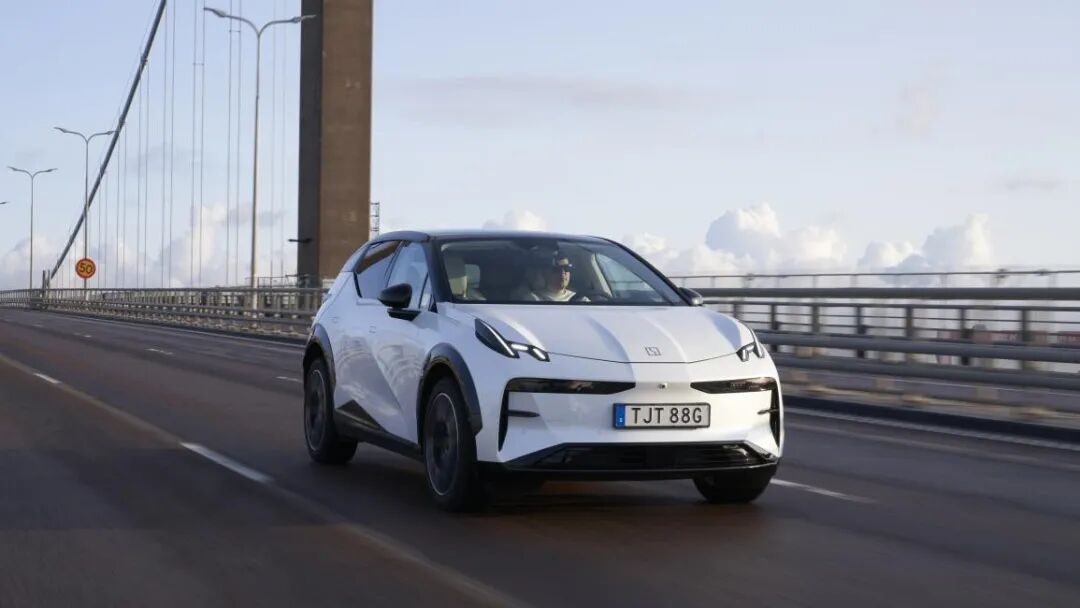
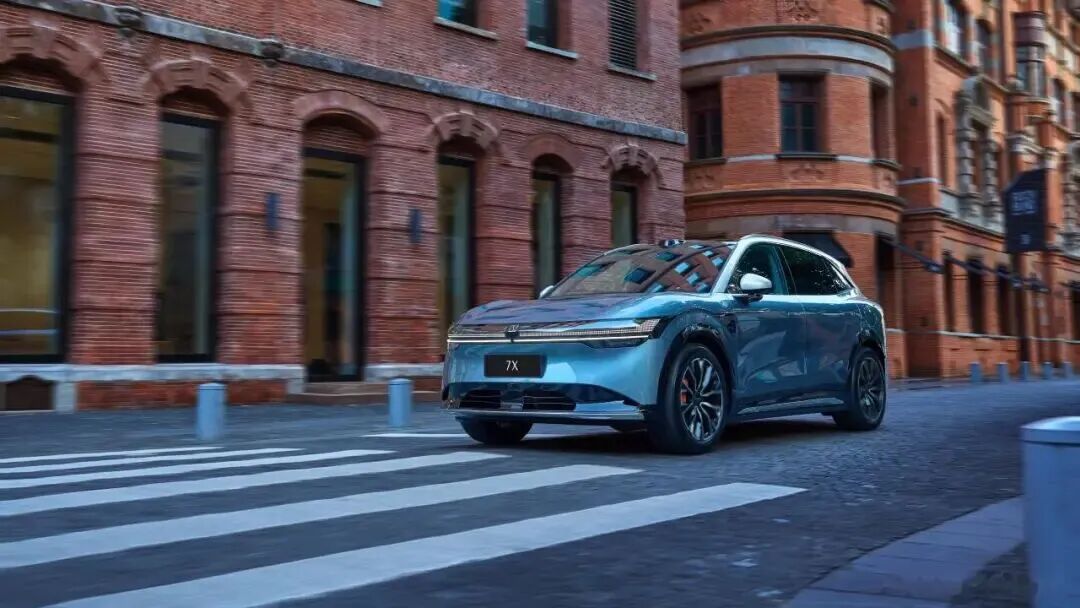
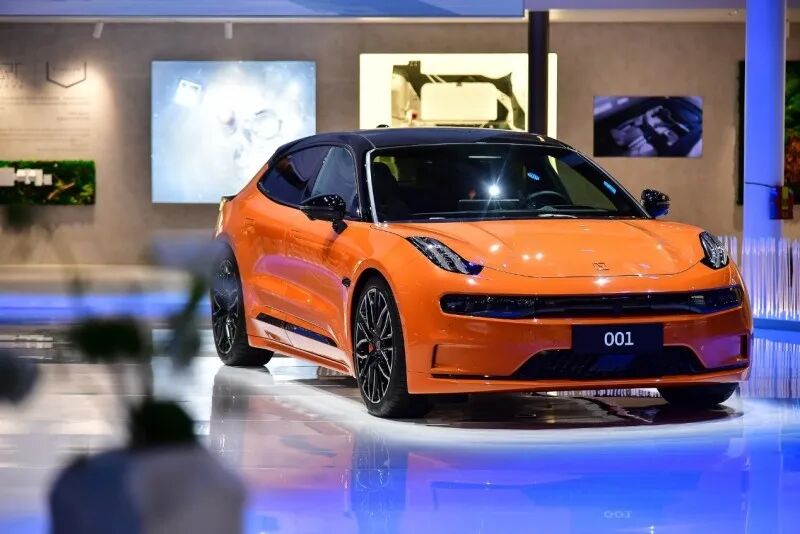
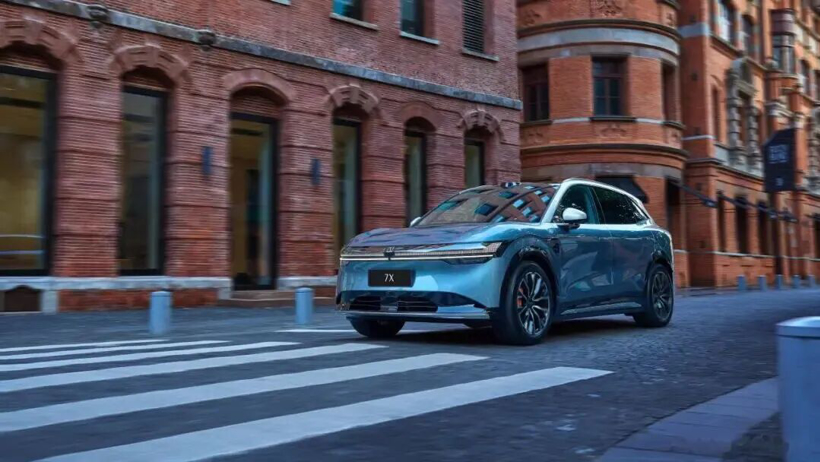
SUVs will enter the European market at lower prices, competing with BYD Sea Lion MG S6、 Zero Run C10 and other models compete. The process of China's high-end electric brands going global has suddenly entered an accelerated stage, which is particularly urgent compared to the decades long brand and market foundation of luxury brands in the era of fuel vehicles. If previously new force brands in the European market were obsessed with depicting stories and building the future picture of their brands, now they have entered a more pragmatic stage, with seizing the market as the top priority. So, why are electric brands focusing on the high-end market accelerating their efforts to enter the European market again, making it difficult to slow down? What measures do they each have to accelerate channel laying and market expansion? Anyway, the European market is undergoing a transformation under the impact of multi brand expansion, with each brand attempting to gain a larger entry ticket. Driven by internal and external pressures, Chinese brand Jike first landed in the European market in August 2023. Its first European store opened in Stockholm, the capital of Sweden, in November of that year, and its official delivery date was December 9, 2023. After two years of entrepreneurship, as of October this year, Jike's cumulative sales in Europe have reached 3613 vehicles, and the brand has begun to shift towards an accelerated expansion model. At present, Jike Europe has launched three models: Jike 001, Jike X, and Jike 7X, with starting prices of 54990 euros (equivalent to 452000 yuan), 34990 euros (equivalent to 287700 yuan), and 52990 euros (equivalent to 435600 yuan), which are 40% -75% higher than the domestic prices. Jike stated that its customer base mainly consists of gasoline car owners of Audi, BMW, Mercedes Benz, as well as mainstream high-end users of brands such as Volkswagen and Tesla.
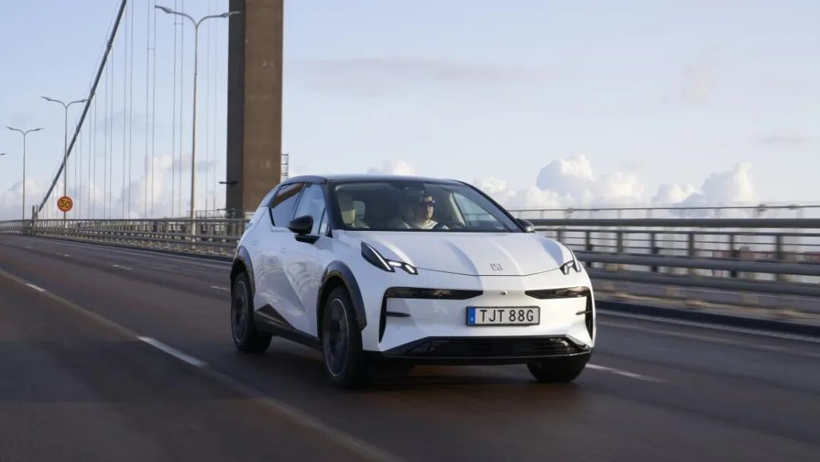
During the stage of insufficient channel layout and insufficient brand influence, Jike Europe's monthly sales were around 150 vehicles. This achievement is not outstanding, and it is a microcosm of China's high-end electric vehicle brands. On this basis, the time window left for Chinese brands is narrowing at an astonishing pace. Kurt Bachmaier, Vice President of Global Sales and Marketing at Magna's Vehicle Division, stated in a media interview that "the competitive window is rapidly narrowing. Whoever can establish a foothold in the European market first has a better chance of occupying a favorable position in the new landscape." Chinese car companies must unleash their leading advantages in three electric technologies, intelligent cockpits, and assisted driving as market advantages before traditional giants complete their electrification transformation in order to seize the technological window. Earlier, some European media believed that European car manufacturers needed time, not tariffs, to resist competition from Chinese brands. Members of the European Automobile Manufacturers Association (ACEA) have committed to investing over 250 billion euros in green transformation by 2030, combined with the strong brand reputation, massive R&D investment, and global sales network that European giants already possess. Once supply chain integration and software capabilities are improved, they may still maintain competitiveness in the global market in the medium to long term. Moreover, the expansion pace of Chinese brands has already had an impact on the European market. Last year at the Reuters Automotive Event in Munich, Volkswagen board member Thomas Schmar
Schmall said, 'We only have two or three years to catch up.'. European car companies are filling the gap in their supply chain through joint ventures or self built battery factories. Mercedes Benz and other car companies are fully committed to the research and development of cutting-edge technologies such as solid-state batteries and skateboard chassis to prepare for the next stage of competition, and there is still potential to return to the top tier in the future. In the past, traditional high-end brands like BBA could spend decades building their brand image and establishing a globally unified and robust brand image. However, now, new high-end brands like NIO and Jike are facing a chaotic and rapidly changing market environment, with competitors not only including traditional luxury brands, but also technology giants such as Tesla and Xiaomi, as well as Chinese friends who are also seizing overseas markets.
Therefore, the brand is facing a brief and closing "strategic window period" and must enter major global markets simultaneously, otherwise it will permanently miss the opportunity. For high-end electric brands like Jike, their core task is no longer simply to establish a brand image, but to seize the window of technological change and quickly establish differentiation awareness and market size. Brand and expansion are synchronized, and even 'expansion is brand building'. In addition, in order to reduce the cost advantage that Chinese car manufacturers gain from the supply chain and the technological advantage brought by electrification, the EU's tariff policy is also increasing, forcing Chinese brands to build localized production chains in Europe. In October last year, the European Commission released the final version of the anti subsidy investigation plan for electric vehicles imported from China, announcing an additional five-year anti subsidy tax on electric vehicles imported from China, with a maximum tax of 38.1%. Combined with the original 10% basic import tariff on automobiles, the overall tax burden of car companies has significantly increased. When reflecting on its overseas strategy, Ideal Automobile pointed out that the previous reliance on parallel exports has been hindered by changes in customs restrictions and other policies in various countries. Ideal's parallel export volume has sharply declined, from a peak of 4000 vehicles per month to several hundred vehicles, seriously affecting the stability of its overseas business. Trade protectionism hinders the process of globalization, which is a major trend. In the future global market, tariff barriers may become increasingly high. Chinese car companies must complete their layout in key markets before policies completely shut down or become daunting, whether by achieving a certain sales scale or launching localized production. The acceleration layout at this time is only a ticket to reserve participation qualifications for the future. More importantly, the domestic market is already a red ocean, with the penetration rate of new energy vehicles exceeding 50%. The extreme internal competition and excess production capacity have forced car companies to accelerate their overseas expansion as a way out for survival. All of these factors are driving Chinese brands to trade space for time and expand into new markets at a faster pace than usual. The acceleration of overseas expansion through differentiation is a consensus, but due to differences in resources and brand positioning, major brands have shown a differentiated acceleration path. Take Extreme Krypton as an example. As a high-end electric brand under Geely, Jike relies on Geely's global resources and leverages the brand channel experience of Volvo and Lynk&Co to establish a certain market foundation in high standard markets such as Sweden and the Netherlands. Especially in the Swedish electric vehicle market, with a market share of 2%, equivalent to an annual sales volume of about 1400 vehicles locally, it is its highest share in the European market. In addition, Jike has established a global design center and a European engineering research and development team in Gothenburg, Sweden, with over 1500 engineers and designers. This ensures that products such as Jike 001 and Jike X meet the aesthetic, handling, and safety standards of European users from the beginning of development.
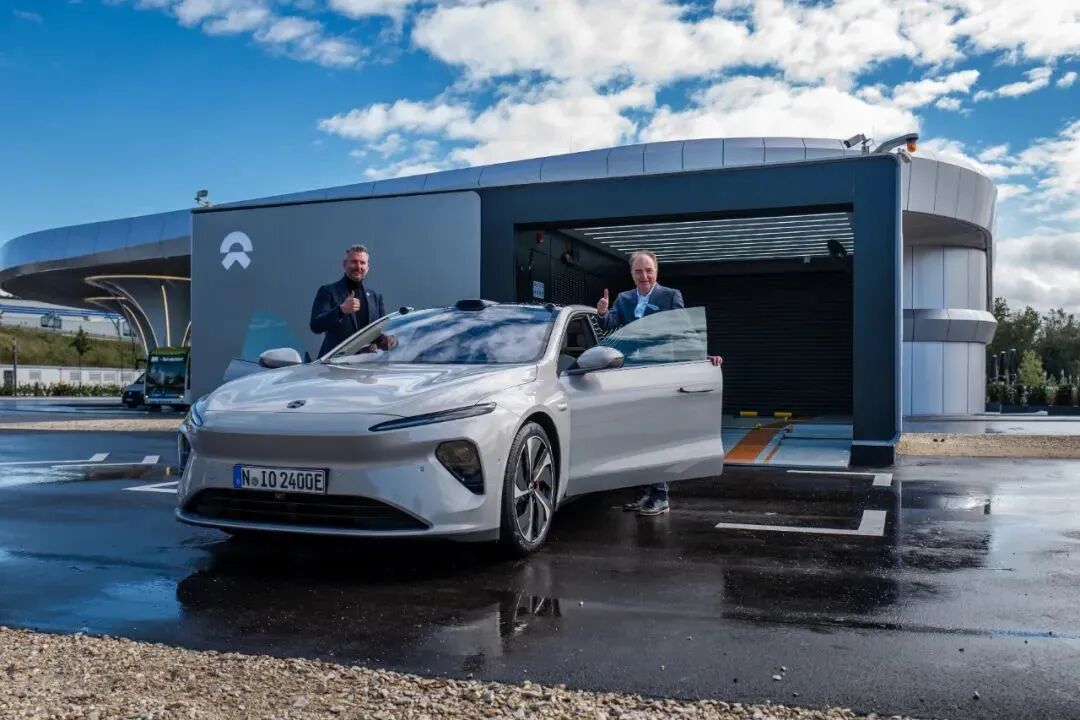
Shupete stated that Jike adheres to the principle of adapting to local conditions in its distribution model, and will flexibly adjust its strategy according to the characteristics of different markets in the future. In Sweden and the Netherlands, Jike has established its brand image through a direct sales model; In Belgium, Denmark, and Norway, local sales companies are established and operated in cooperation with local private distributors; In small markets such as Bulgaria, Croatia, Greece, Romania, Slovenia, and Switzerland, Jike has chosen to collaborate with private importers to enhance expansion efficiency. Schubert revealed that Jike has established a local sales company in France and will adopt a distributor cooperation model. As for the German, Italian, Spanish, and British markets, the final distribution model has not yet been determined. This flexible and pragmatic sales model can help Jike quickly adapt to different markets, and based on the cultural management capabilities accumulated by the brand in Europe, it can also reduce the risk of brand experience dilution. In contrast, NIO previously prioritized user experience and brand community, and spared no effort to replicate the entire system of "car, station, service, and community". Although its early fully direct sales model ensured a closed-loop brand experience, it generated huge capital consumption and its expansion speed was tested to the limit.
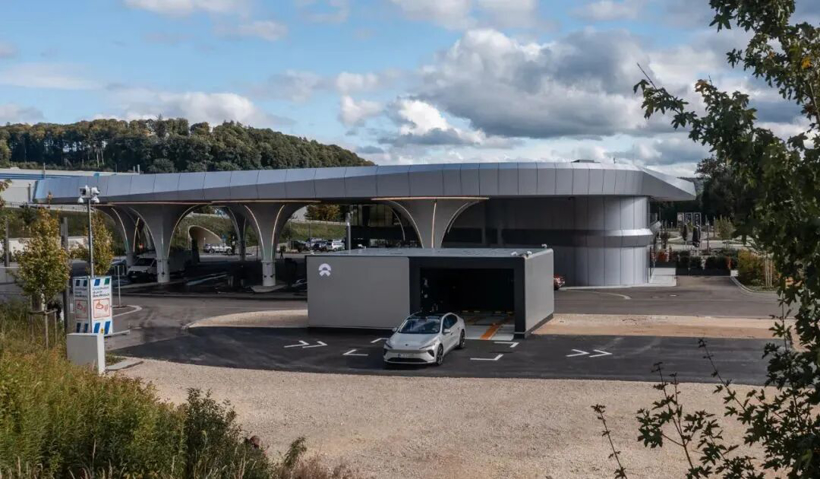
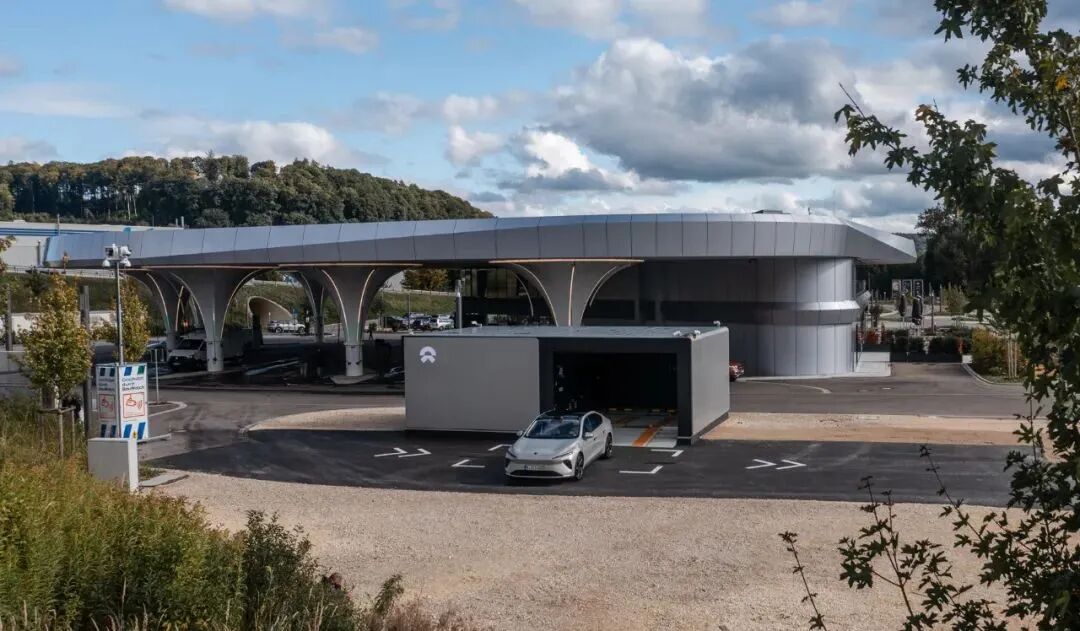
Against the backdrop of accelerating overseas expansion across the industry, NIO has also begun to shift its strategy towards a multi-channel sales model that combines direct sales and agency since June of this year. NIO continues to deepen its direct sales model in established markets such as Norway, Germany, the Netherlands, Sweden, and Denmark to ensure high-end user experience and community services. For new markets, NIO chooses to collaborate with mature local dealer groups, utilizing their existing sales networks and localized expertise to quickly expand market coverage, reduce initial investment costs and operational complexity. In June of this year, NIO announced its partnership with Hedin
Mobility Group has reached cooperation in the Belgian and Luxembourg markets and established a strategic partnership with AutoWallis; In Portugal, NIO has partnered with JAP Group, a travel service provider with over 120 years of automotive expertise; In Greece, NIO and Motodynamics Group have started sales training and plan to enter the Cyprus and Bulgaria markets by 2026. In addition, NIO has also partnered with Nic, one of the leading transportation service companies in Northern Europe
Christiansen Group collaborates and authorizes it to serve as the national distributor for its brands in Denmark.
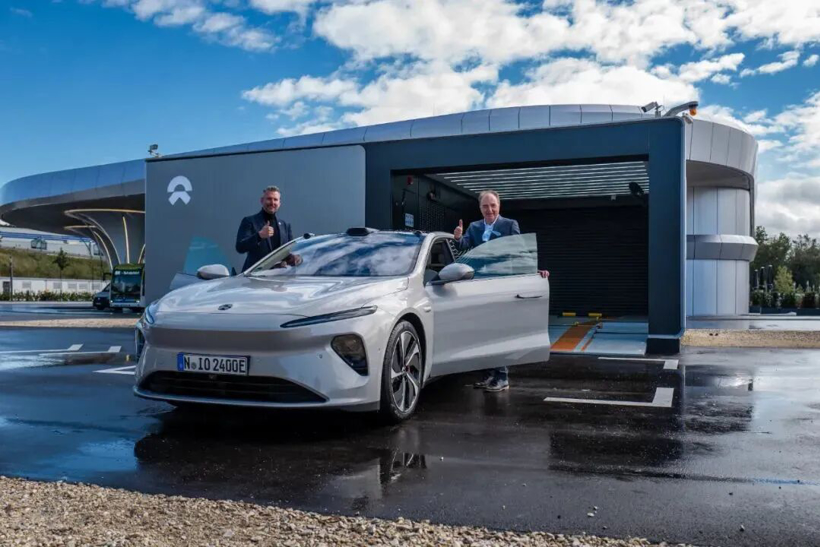
In addition to channel expansion, NIO's multi brand strategy is also being promoted overseas. With the introduction of its subsidiary brand Firefly, NIO has opened up competition with electric vehicle brands such as Renault and MINI, attracting new user groups. Regardless of the path, overseas expansion is a heavy asset investment that tests the cash flow of any enterprise, especially during the industry differentiation period when most new force brands pursue operational cash flow transformation and rely on strong reserves to resist risks. Moreover, the construction of overseas markets, especially brand building, needs to face the contradiction between quality and speed. Can high-end brands achieve rapid expansion while taking into account the level of brand service, and ensure the brand momentum that has been painstakingly established before? This is another test. For Chinese high-end brands, accelerating the expansion of the European market is a necessary measure under internal and external circumstances, but it also faces highly uncertain environmental risks. This acceleration race not only tests the decision-making courage of enterprises, but also includes product strength and global organizational management ability. Opportunities and challenges have always been intertwined, and the further overseas expansion of Chinese automotive brands will accelerate the reshaping of the global automotive industry landscape. English
 Chinese